About the Founder
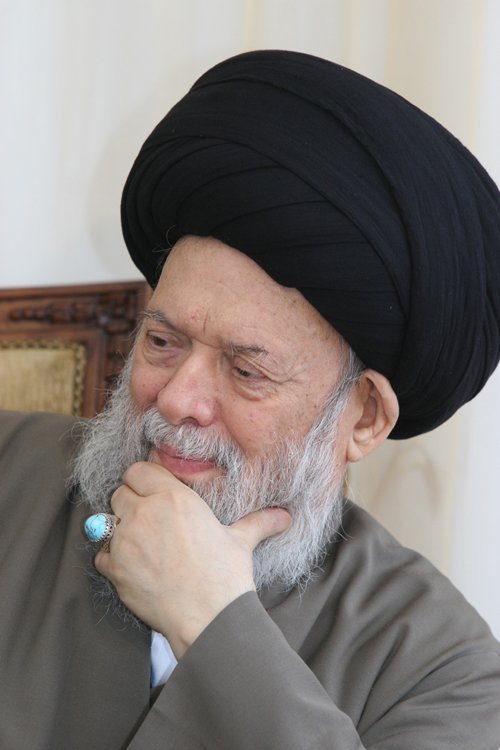
His Eminence, Grand Ayatollah Sayyid Muhammad Hussein Fadlallah (may he rest in peace)
He was born in Najaf Al-Ashraf in 1935 and returned to Lebanon in 1966, bringing with him a scholarly and reformist vision. He founded educational, scientific, and social institutions and continued his contributions until his passing in 2010.
Personal Identity
Sayyid Muhammad Hussein Fadlallah was born into a scholarly family renowned for its literature and knowledge, tracing his lineage back to Imam Al-Hasan (peace be upon him). His father, Ayatollah Sayyid Abdul Raouf Fadlallah (may God sanctify his soul), was one of the prominent scholars of Jabal Amel and had a special relationship with him that greatly influenced his personality and outlook. His mother, Karima Al-Hajj Hasan Bazzi, was a respected and devout woman from Bint Jbeil in southern Lebanon. He was also raised in a scholarly environment close to his uncle, Ayatollah Sayyid Muhammad Saeed Fadlallah, a leading scholar of his time who played a significant role in shaping his scientific and intellectual development.
His Scholarly and Intellectual Journey
The founder spent his childhood in Najaf Al-Ashraf, where he began his education in traditional Quranic schools, learning the Quran, reading, writing, and arithmetic. Later, he attended a modern school established by the “Publishing Forum” Association, where his excellence allowed him to skip directly to the third grade and continue his studies up to the fourth grade. At the age of nine, he left the school to focus on religious studies.
He began his seminary studies under the guidance of his father, learning grammar, rhetoric, logic, principles of jurisprudence, and Islamic law. He then continued his scholarly journey by attending the lessons of leading scholars, including Sayyid Abu al-Qasim al-Khoei, Sayyid Mohsen al-Hakim, Sayyid Muhammad Saeed Fadlallah, Sayyid Mahmoud al-Shahroudi, Sheikh Hussein al-Hilli, and Mulla Sadra al-Qafqazi.
He pursued advanced studies and expanded the scope of his scholarly education by drawing on a wide range of sources. He also attended special vacation courses with Shaykh Abbas Al-Rumaithi and Al-Muhaqqiq Al-Bajnourdi, engaged in jurisprudential and principles-based discussions, and participated in scholarly study sessions. He joined the Hawza in 1363 AH and continued his studies in Najaf al-Ashraf for twenty-two years. After returning to Lebanon, he continued his research and teaching activities.
He was deeply passionate about Arabic culture, reading newspapers and magazines and studying the works of leading literary figures such as Taha Hussein and Al-Zayyat. He also read translations of Lamartine and Anatole France. He co-founded the magazine Al-Adab in collaboration with the martyred Sayyid Muhammad Mahdi Al-Hakim. He composed his first poems at the age of ten, then went on to deepen his knowledge of classical and modern Arabic poetry and became acquainted with free verse. Several poetry collections were published in his name, including O Shadows of Islam, Poems of Islam and Life, On the Shore of Conscience, and On the Paths of Seventy.
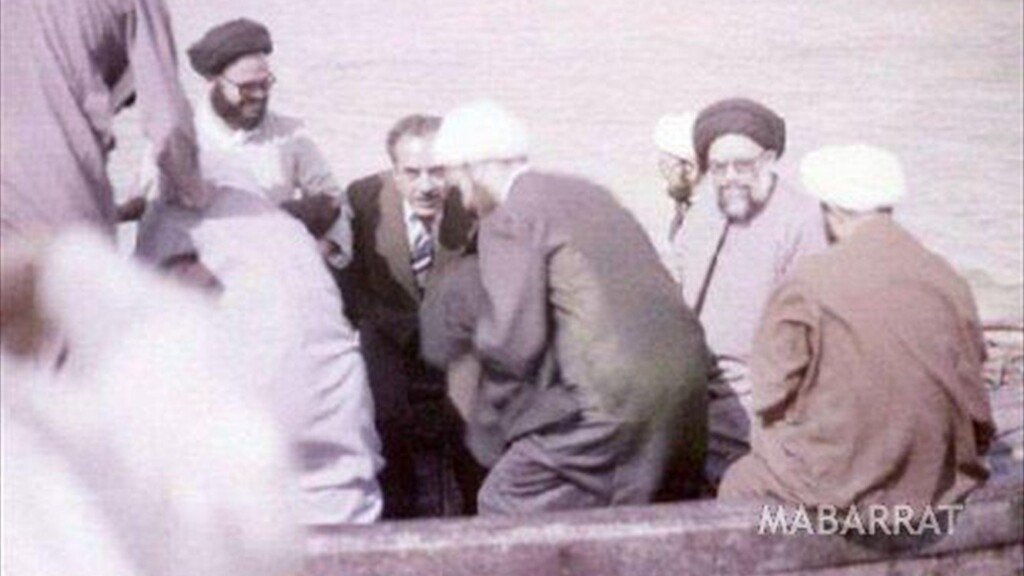
He began his cultural and journalistic activities at an early age, publishing a simple handwritten newspaper. He was later elected as a member of the Cultural Council of the Publishing Forum. In 1380 AH, he participated in the launch of Al-Adwa’ magazine and contributed to its editing alongside the martyred Sayyid Muhammad Baqir Al-Sadr and Shaykh Muhammad Mahdi Shams Al-Din, which strengthened his presence in intellectual and cultural circles.
His Publications / His Works
He authored more than 100 works in the fields of thought, jurisprudence, and politics, including:
Teaching:
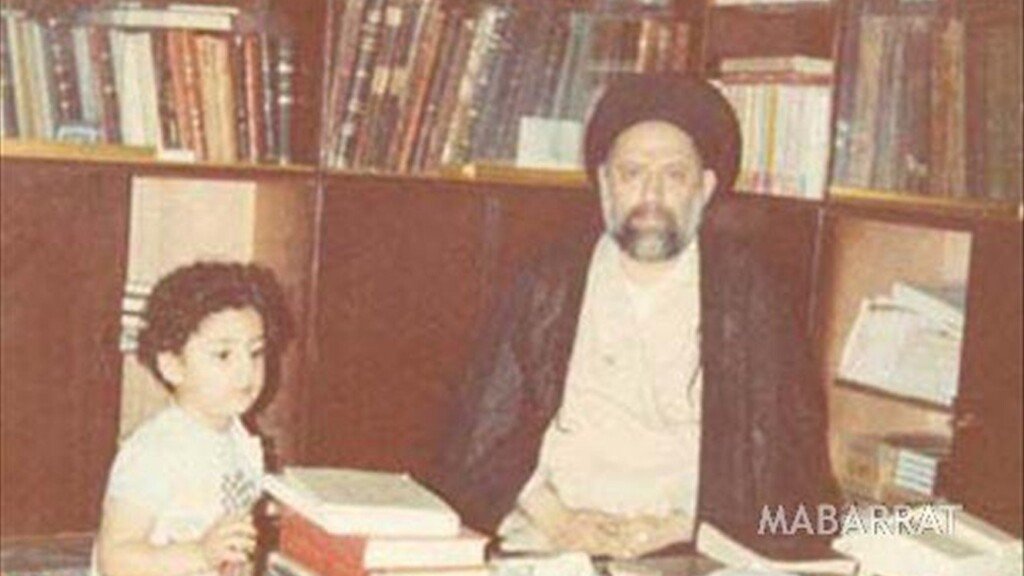
Upon his return to Lebanon in 1966 CE, he founded the Islamic Sharia Institute and began teaching advanced courses from the Hawza curriculum, including Al-Rasa’il, Al-Makasib, Al-Kifayah, and the most refined commentaries along with their annotations. He also taught Bahth al-Kharij (advanced jurisprudential research) for more than twenty-five years. His educational activities were primarily focused in Lebanon and Syria, near the shrine of Lady Zainab (peace be upon her). Several prominent scholars studied under him, including Sayyid Abdullah Al-Ghraifi, Sayyid Hassan Al-Nouri, Shaykh Muhammad Reda Al-Ahmadi Al-Bahsoudi, Sayyid Muhammad Al-Husseini, and others. He also taught the science of Usul (principles of Islamic jurisprudence) through multiple courses until he ceased independent teaching in 2000 CE / 1421 AH. In 1415 AH / 1995 CE, he declared his marja‘iyya (religious authority). This was not a personal initiative, but a response to requests from numerous groups across various countries.
السيّد (رض) والتجديد:
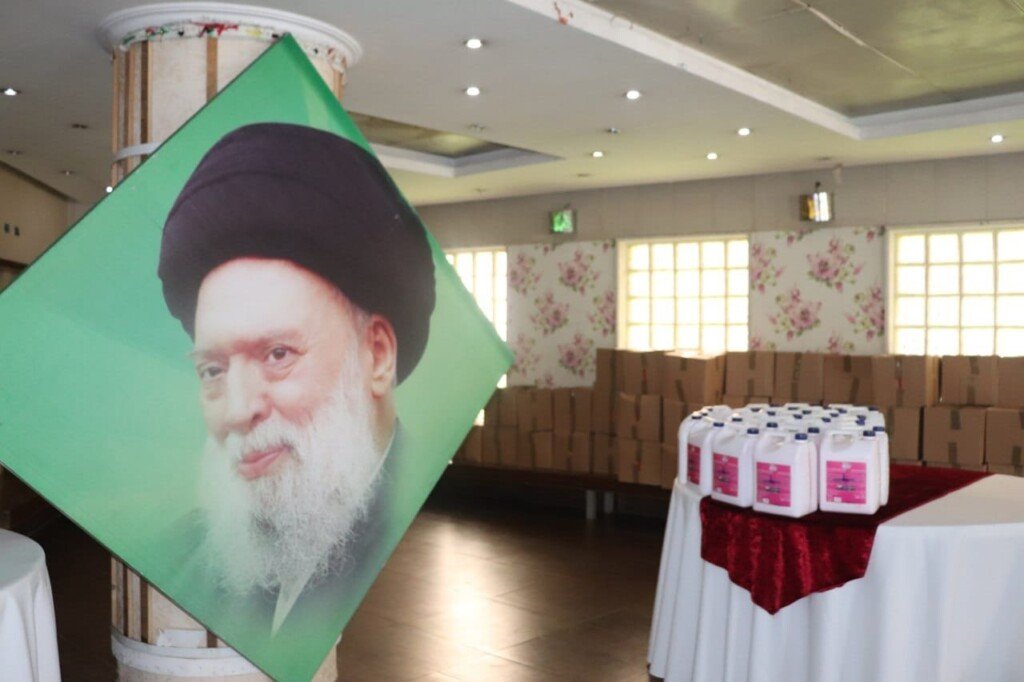
حمل السيّد محمد حسين فضل الله (رض) مشروعًا تجديديًا إصلاحيًا يهدف إلى مواجهة الخرافات وتقديم الدين بصورة حضارية تتفاعل مع قضايا العصر، من خلال معالجة الفكر السياسي والاجتماعي والعقائدي بمنهجية علمية. دعا إلى الوحدة الإسلامية، فأصدر فتوى بحرمة سبّ الصحابة، وحث على نبذ الفتنة المذهبية واعتماد الحوار العلمي الهادئ. كما تبنّى مواقف متقدمة تجاه قضايا المرأة، مدافعًا عن حقوقها وناقدًا النظرة السلبية إليها، مستندًا إلى فهم قرآني دقيق وأصولي منفتح. وشارك السيّد في مؤتمرات عالمية في أوروبا وأميركا وإيران والهند وغيرها، ناقلًا رؤيته المنفتحة إلى محافل متعددة. وأسّس مؤسسات اجتماعية وإنسانية أبرزها جمعية المبرّات الخيرية لرعاية الفقراء والأيتام وافتتاح المدارس في مناطق لبنانية عديدة، فاستمر عطاؤه بالكلمة والعمل والمتابعة.
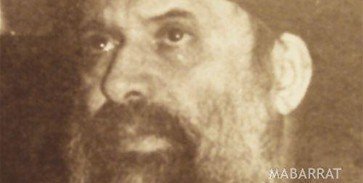
The Passing of Grand Ayatollah Sayyid Muhammad Hussein Fadlallah
On the morning of Sunday, July 5, 2010, Grand Ayatollah Sayyid Muhammad Hussein Fadlallah concluded his journey of scholarly and intellectual striving, after decades of service to religion and humanity. He passed away peacefully, leaving behind a vast legacy of thought, jurisprudence, and renewal, as well as generations of students who benefited from his knowledge and guidance. His passing was mourned by the faithful in Lebanon and across the Islamic world, and his presence continues to live on in the hearts of his followers through his books, lectures, and inspiring stances.