As part of its continuous efforts to develop the educational process and encourage pupils to acquire essential life skills, Al-Rahma Secondary School launched a complete educational programme titled “Skills Building”, aimed at embedding essential skills in the classroom environment through interactive and collaborative strategies.
The programme began by presenting the implementation plan to the school council, where core committees representing the different educational cycles were appointed to ensure careful follow-up and integrated implementation. The project was then presented to teachers during teaching-unit meetings, with the aim of unifying concepts and strengthening the skills-based approach in the classroom.
The school was also keen to involve parents in the programme through a guidance meeting at which the project's aims and its positive impact on pupils' development were presented, strengthening the bridges of cooperation between school and family.
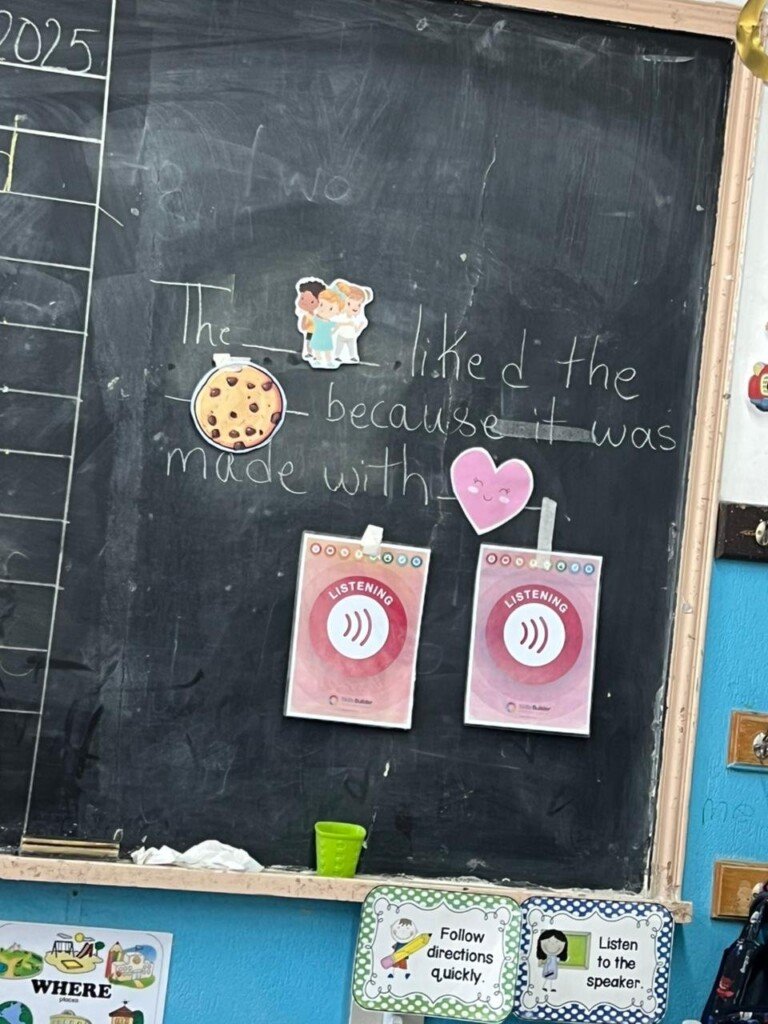
The programme included a comprehensive educational survey of the skills-teaching plans in the core subjects, covering: the speaking skill in English (grades seven and eight), the problem-solving skill in science (grade eight), the listening skill in Arabic (grade six), as well as English in the third kindergarten year.
The skills survey covered the following classes: third kindergarten, grade six, grade seven and grade eight, within a centrally approved assessment plan to determine pupils' levels and their development needs.
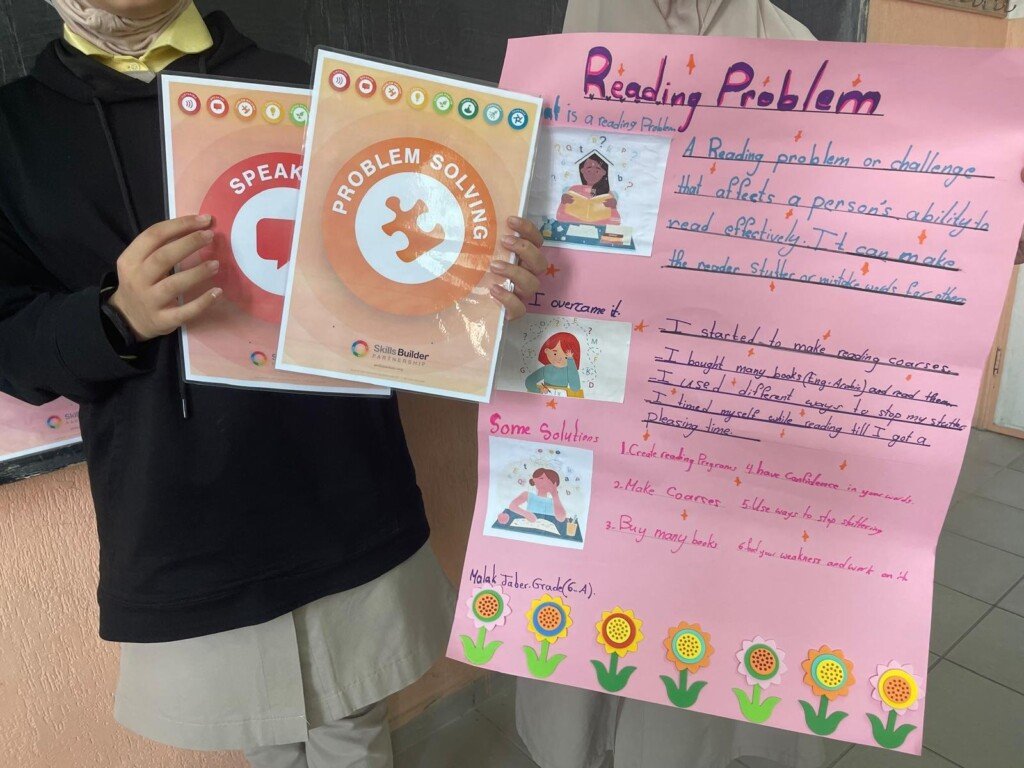
The school displayed illustrations of the skills in corridors and laboratories to strengthen their visual presence, which helped make pupils aware of the importance of the skills and their role in their daily and academic lives.
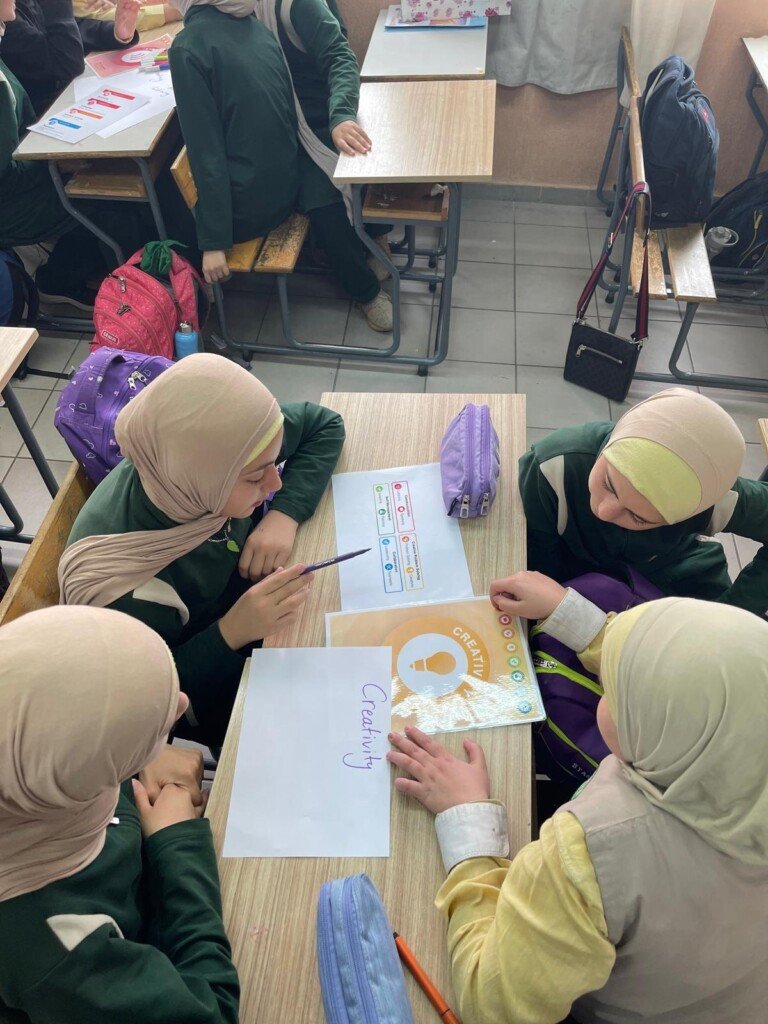
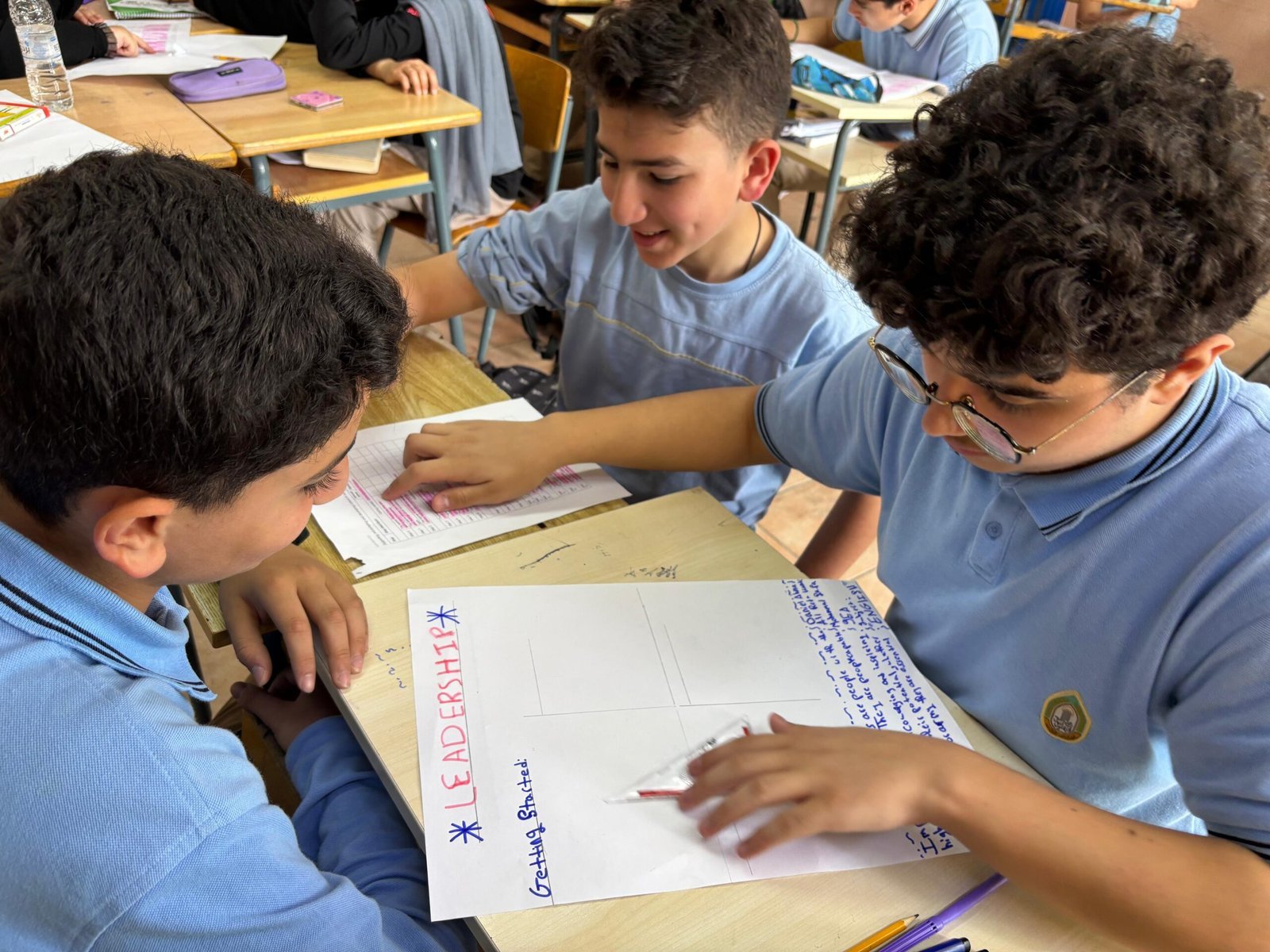
Collaborative group activities were also carried out in classrooms, with pupils of the second and third cycles taking part. Each group took on the task of analyzing one of the skills and identifying the steps for developing it in a way suited to their age and intellectual maturity.
In an initiative reflecting a spirit of interaction across the stages, third-cycle pupils organized applied activities on the listening and speaking skills in cooperation with kindergarten and first-cycle pupils, strengthening the concept of peer learning and collaborative work.
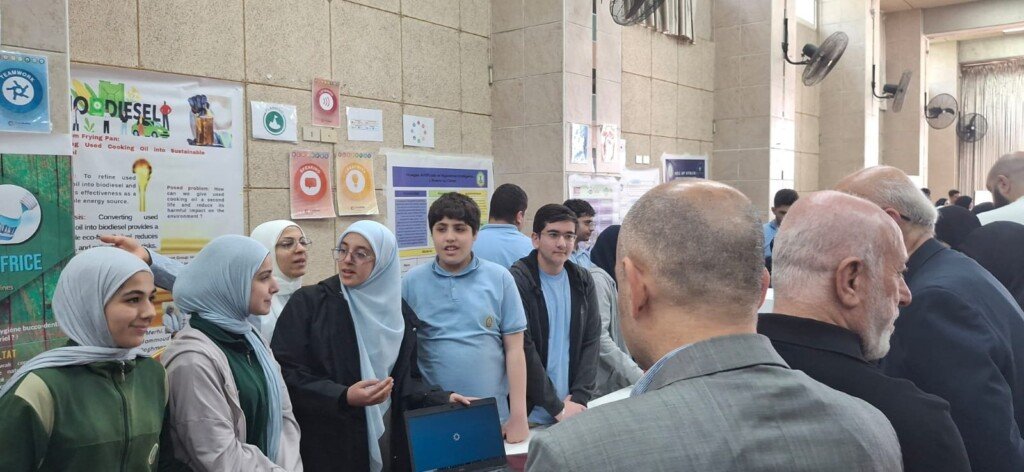
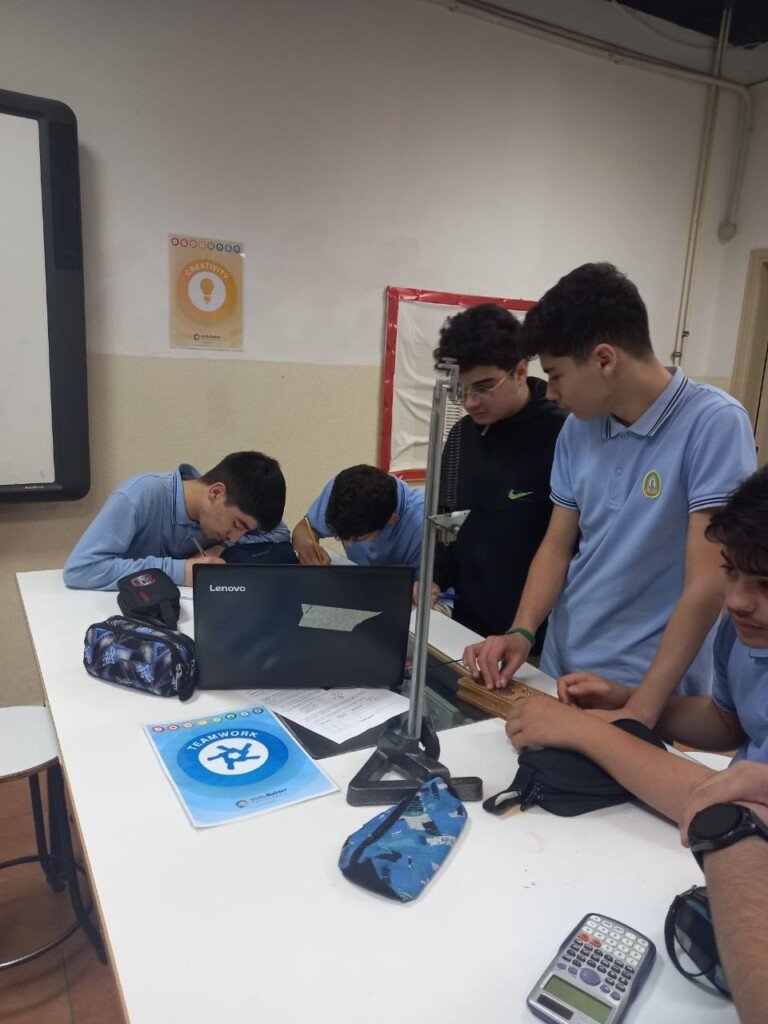
Pupils taking part in external activities also underwent focused training in teamwork, creativity and problem-solving skills, and care was taken to include these skills in all lessons using the collaborative work strategy.
Those running the programme affirm that this initiative is in keeping with Al-Rahma Secondary School's vision of building the pupil's well-rounded character and preparing them for active engagement in school and community life through acquiring twenty-first century skills.