
Orphan Care
Types of Care
Al-Mabarat adopts multiple types of care to meet the diverse needs of orphans at various levels, ensuring they receive the best possible supportive environment.
Inpatient Care
_____________
Comprehensive healthcare, psychological, and social support with overnight stay during weekdays, while maintaining continuous contact with the family.
It is dedicated to orphaned children who require comprehensive care addressing all aspects of life, including social, psychological, recreational, and health needs. This type of care involves the children staying overnight in the care unit, while they spend every weekend and all school holidays with their families. Parents can visit and check on their children at any time, which strengthens the family bond and contributes to their psychological well-being.
Permanent Care
_____________
For children at risk and those in difficult social situations, under formal agreements with the Ministry of Social Affairs.
It is designated for children facing difficult social circumstances and at-risk children. This is usually arranged through an official agreement with the Ministry of Social Affairs. These orphaned children receive continuous care from Al-Mabarat throughout the year, either because they have no family to belong to or because they live in environments where they may be exposed to any form of abuse.
Family-Based Care
_____________
For children who are able to manage their daily responsibilities, they visit the care unit at designated times and participate in activities.
It is designated for orphaned children who need support and assistance from Al-Mabarat in certain care services, while being able to complete their schoolwork independently without additional help., Orphaned children attend the care unit at designated times and participate in all activities organized by the institution.
Semi-Residential Care
_____________
Daily attendance to receive educational and developmental care, then returning home for overnight stay.
It is designated for orphaned children who need certain educational and developmental care services. It also serves children who cannot stay overnight in the care unit due to health or psychological reasons. They attend the care institution daily to receive the required support and return home in the evening after completing their schoolwork.
Despite the variety of care programs at Al-Mabarat Charity Association, they all focus on supporting children in their academic or vocational achievements, meeting their daily, educational, and developmental needs. They also aim to foster a strong connection between the care institution, families, and the local community, all in pursuit of the child’s best interests.
Educational Follow-Up
The care institutions provide a comprehensive educational follow-up system that ensures academic, developmental, and psychological support for orphaned children.
01.
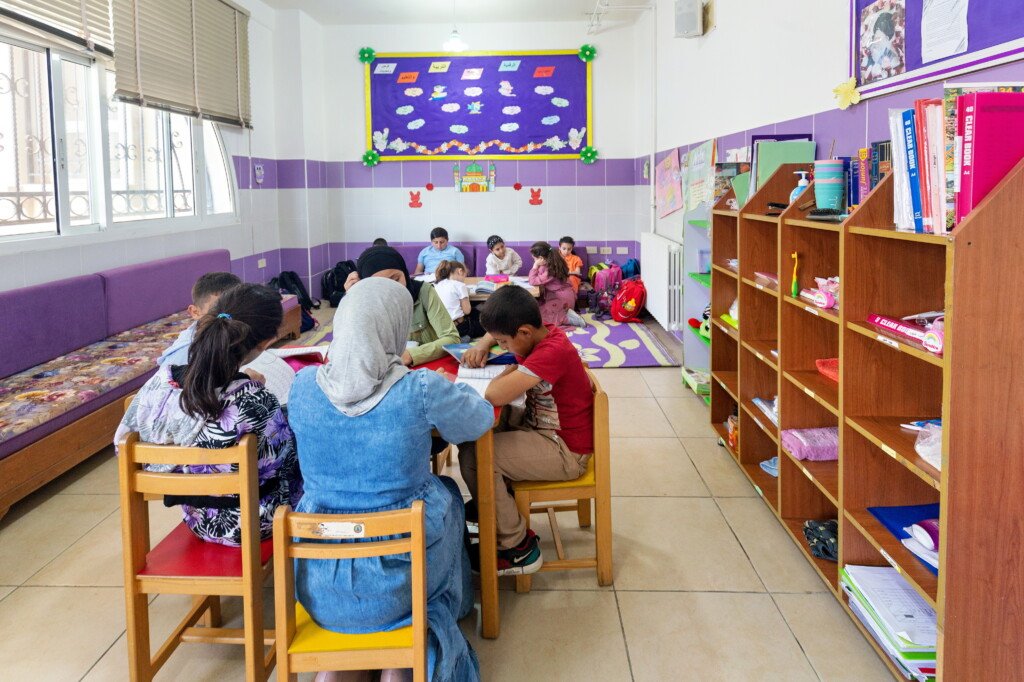
The institutions ensure that orphaned children are enrolled in Al-Mabarat schools or other schools, provide all necessary supplies—including books, stationery, and school uniforms—and maintain ongoing communication to ensure their successful educational integration.
02.
The institutions monitor students’ academic progress with their families, analyze school results throughout the academic year, and encourage high achievers by honoring and rewarding them.
03.
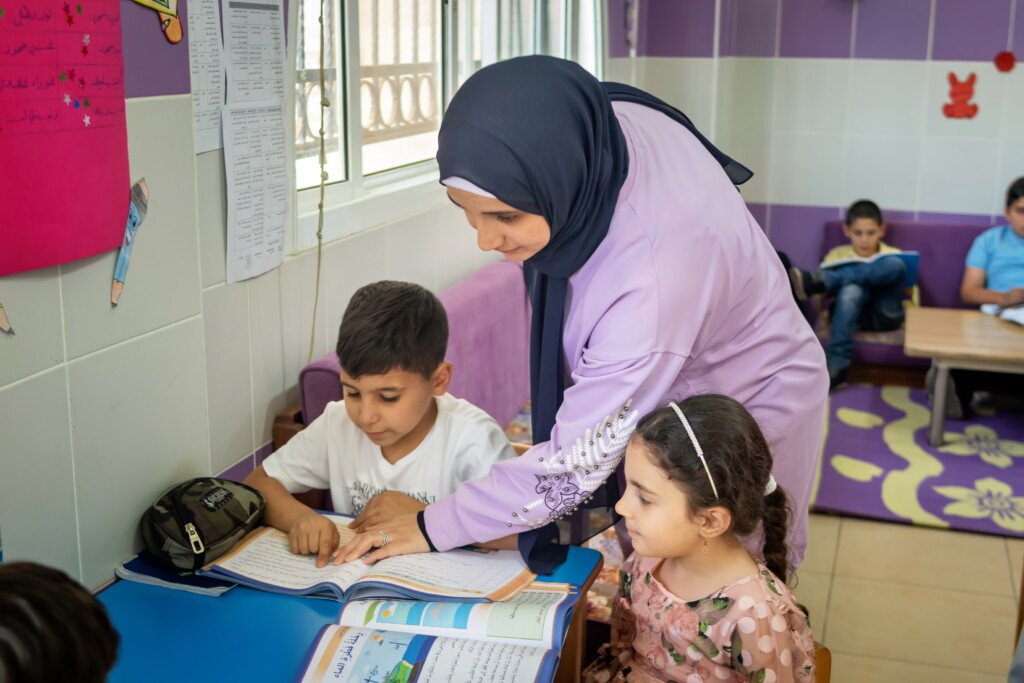
The institutions track the educational and behavioral progress of each child through a dedicated record for every orphan, documenting their abilities, academic progress, achievements, needs, aspirations, and relevant supporting documents.
04.
The institutions provide educational support by offering teaching assistants when needed and arranging extra tutoring hours for children who require additional academic help.
05.
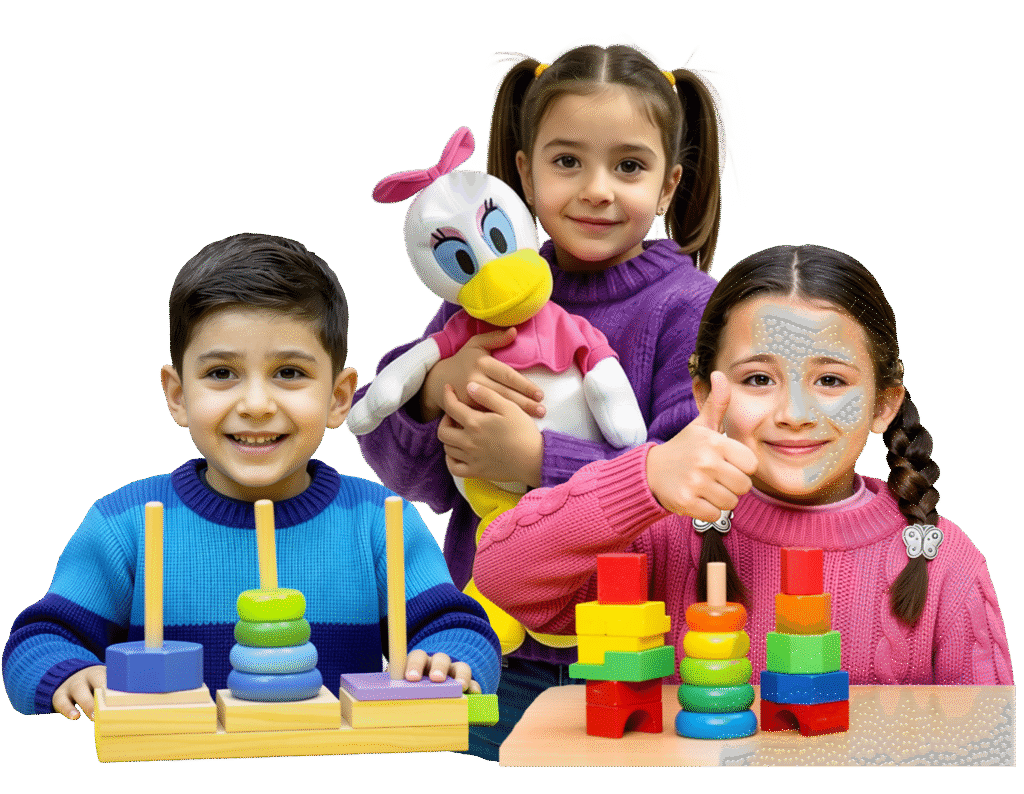
The institutions provide children with a suitable environment for studying and completing assignments by equipping tables, chairs, and computers, and offering a library containing dictionaries, atlases, educational books, and project materials, while supervisors monitor the learning process during the afternoon.
06.
The institutions support the psychological well-being of children by fostering self-esteem and confidence, and by helping them develop a balanced personality through a team of specialists in educational psychology.
The educational program
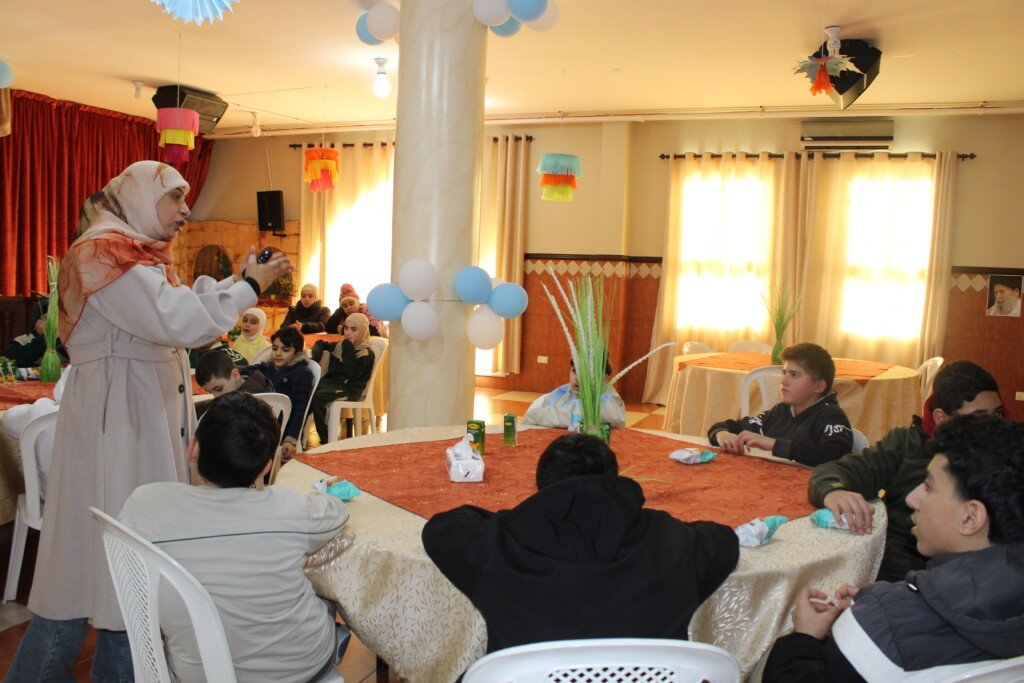
The care institutions in Lebanon stand out with their educational program, which aligns with the principles and noble objectives of Al-Mabarat Charity Association, helping children understand daily community life and actively participate in it. The educational program is a structured learning and development plan tailored for orphaned children according to their age groups. It includes a set of focused educational modules emphasizing values, life skills, and Islamic and national upbringing, based on a framework of cognitive, emotional, and practical objectives. The program aims to enhance the cultural, spiritual, social, and academic levels of the children, instill the seeds of goodness and love in their hearts, and develop and refine their talents.
Health and Nutrition
Comprehensive health and nutritional care that ensures orphaned children a safe environment, close monitoring, and preventive and therapeutic support throughout the year.
- The care institutions provide preventive and therapeutic services according to the primary healthcare program to ensure the well-being of orphaned children.
- At the beginning of each school year, comprehensive health check-ups are conducted for the children, and the results are monitored throughout the year, with follow-up tests after each holiday to prevent the spread of infections.
- Children are provided with health awareness programs tailored to their needs, aimed at promoting healthy behaviors and protecting them from health risks.
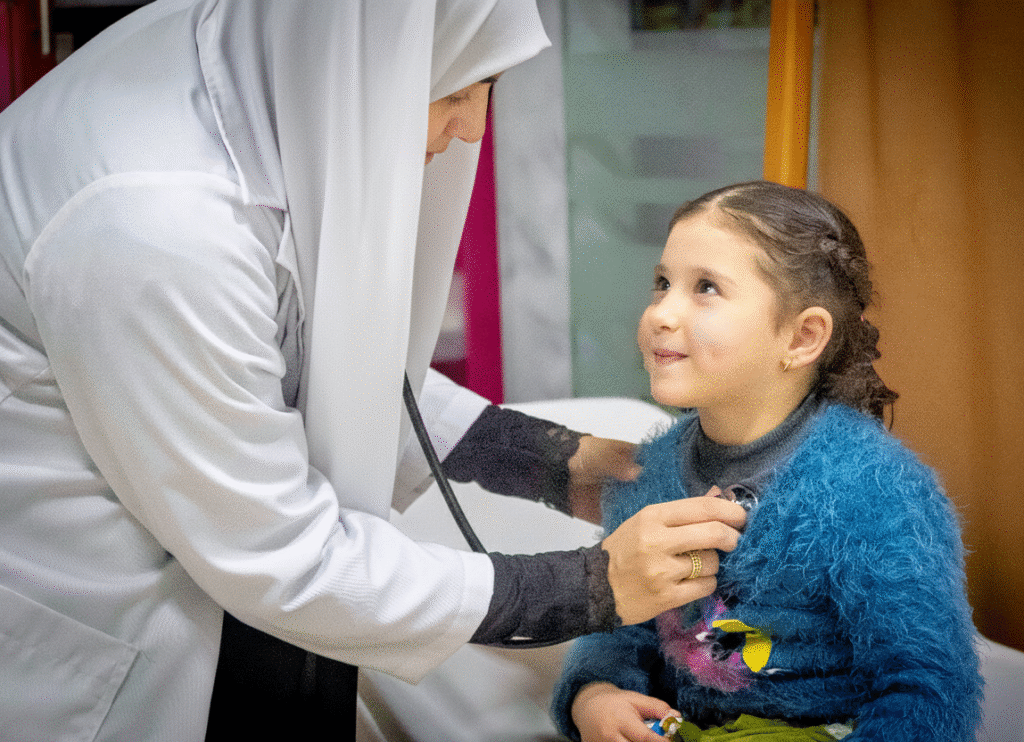
- The institutions provide necessary medical treatments both on-site and externally, and organize educational sessions for parents on seasonal illnesses, proper nutrition, healthy habits, respiratory diseases, and more.
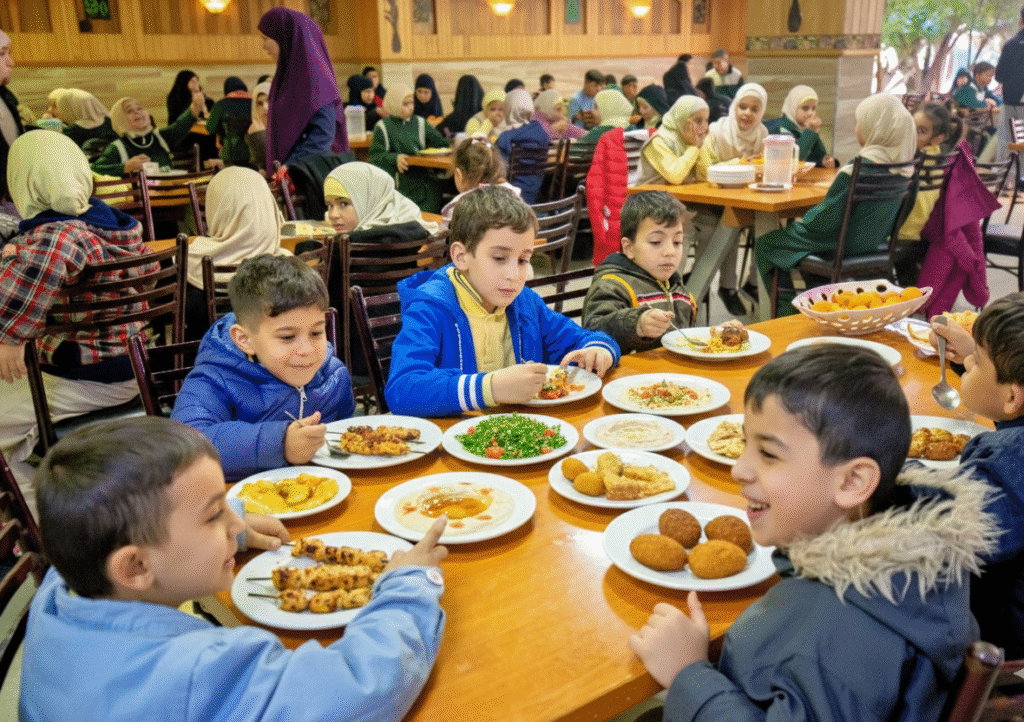
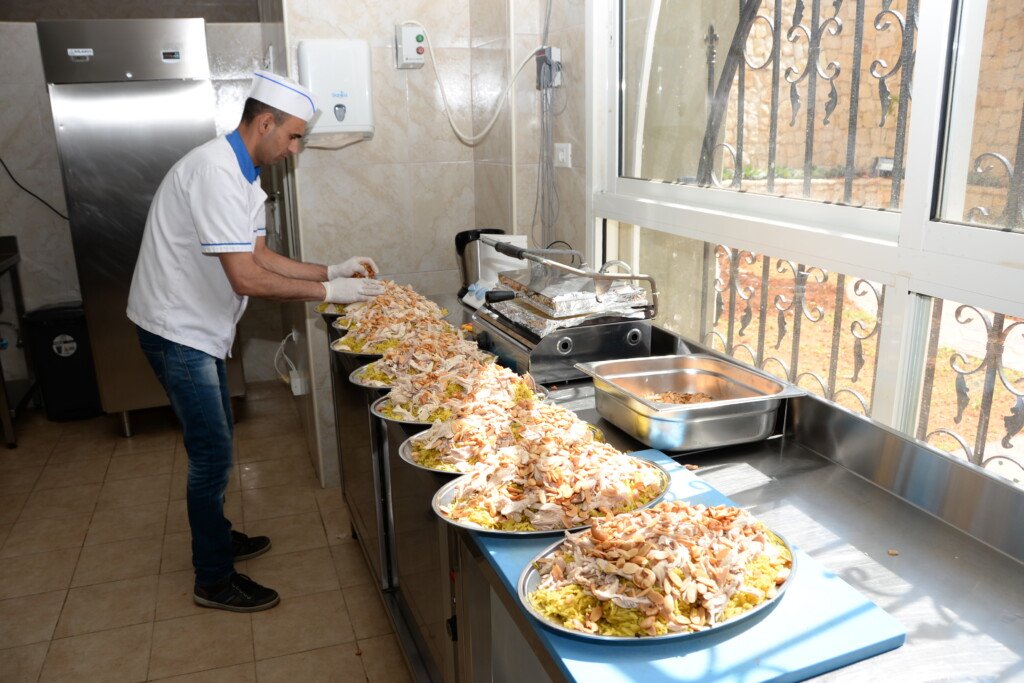
- The institutions provide children with balanced and varied meals under the supervision of health specialists, ensuring food quality and safety.
- The institutions cover the cost of medications, vaccines, and all medical and hospital services, including dental care and orthodontics when needed.
Guidance and guidance
The care institutions provide guidance, therapeutic, and preventive programs for orphaned children through a specialized team that works to promote mental health, develop behavior, build self-esteem, and achieve balanced social adaptation, in collaboration with families and the religious authority.
Therapeutic, Developmental, and Preventive Programs
The guidance team implements specialized programs aimed at supporting psychological and social development, and providing children with health and behavioral guidance to achieve proper social adaptation.
Structured Behavioral Monitoring
Behavioral files are prepared for each child, recording daily observations and behaviors to develop an accurate understanding of cases that require intervention and support.
Promoting Values, Ethics, and Respect for Privacy
The department focuses its guidance on moral and behavioral values within the children’s and staff’s environment, ensuring respect for the children’s feelings and privacy to promote healthy psychological development.
Sex Education According to Educational and Religious Guidelines
Organizing educational sessions and programs on sex education and reproductive health, supervised by educational counselors and in collaboration with religious supervisors to establish clear educational and religious guidelines.
Coordination with Families to Promote Psychological Balance
Monitoring cases that require family communication, reviewing the children’s developments, and guiding them to understand changes and manage them in a healthy and balanced way.
Educational Support Project for Special Education Students
Organizing spiritual activities including prayer, Quran recitation, and supplication, while fostering religious belonging through intellectual seminars, various events, celebrating Islamic occasions, and performing congregational prayers.
Facilities:
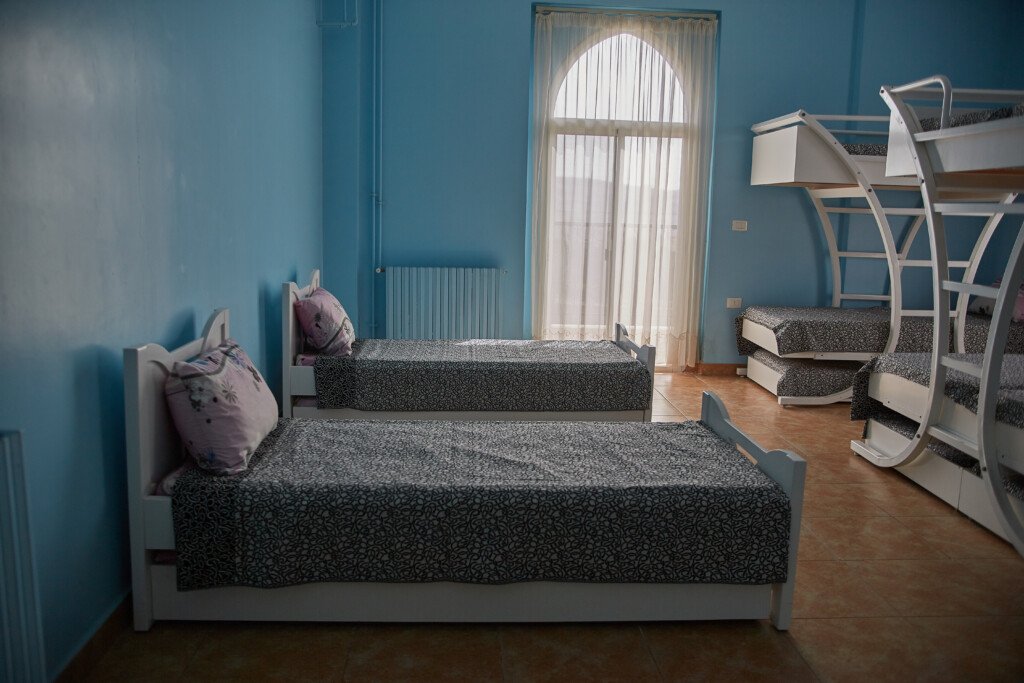
The care institution building consists of bedrooms for the children, each equipped with a wardrobe to ensure privacy and independence; spacious classrooms with comfortable seating and desks; offices for guidance specialists, administration, stage counselors, and care supervisors; halls for various activities; a closed hall for sports activities; football and basketball fields; a theater for educational and artistic activities; and a library containing a variety of books and stories.
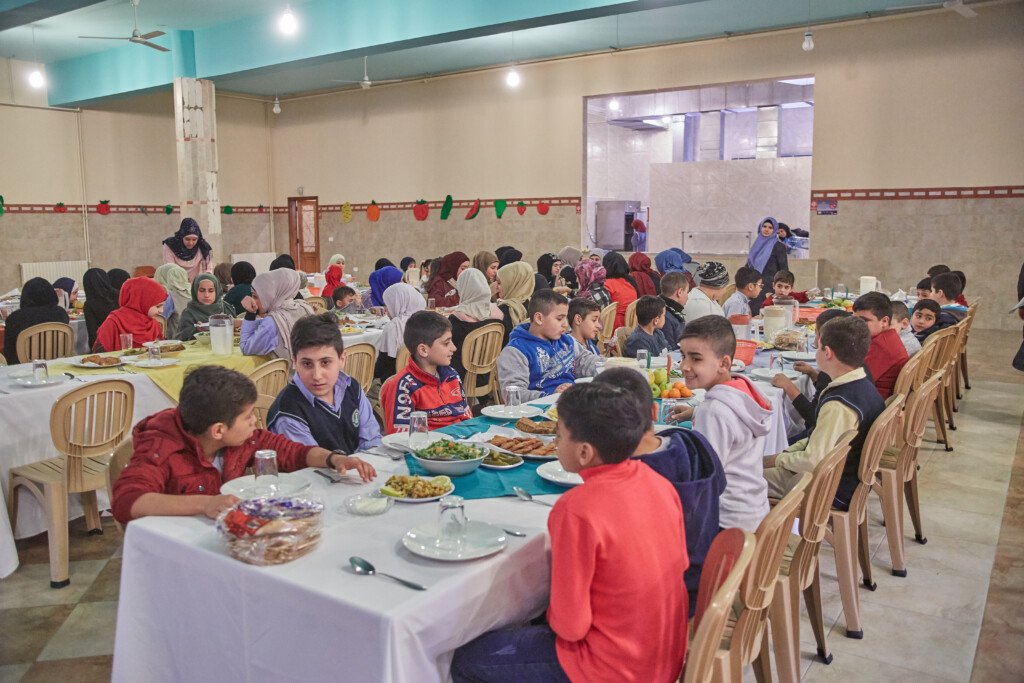
Each Mabarat also includes a clinic and an ambulance for use in case of emergencies, a dining hall serving main meals for the children, and a prayer room supervised by a religious scholar who leads prayers and provides lessons on Islamic jurisprudence and concepts.
Each Mabarat also includes a laundry facility for washing and sanitizing the children’s clothes, storage rooms providing all necessary supplies of various types, a kitchen that adheres to health and nutrition standards, refrigeration, ironing, and sewing rooms, as well as a transportation department that arranges children’s trips home and organizes recreational, educational, and sightseeing outings.
To keep pace with technological advancement, all care institutions in Al-Mabarat are equipped with interactive whiteboards, audiovisual materials, and a computer and internet room.
Al-Mabarat has also paid attention to the aesthetic and environmental aspects of its care institutions, equipping them with gardens adorned with trees and flowers. Some institutions are fitted with solar energy systems for electricity generation and water heating, as well as electrical safety measures and other essential life-support facilities.