
Educational Pillars
Quality System
Al-Mabarat schools adopt a quality system in education, which is a management process based on a set of values derived from information that enables us to utilize the talents of the staff and invest their intellectual capabilities at all levels of the institution in a creative manner to achieve continuous improvement for the institution.
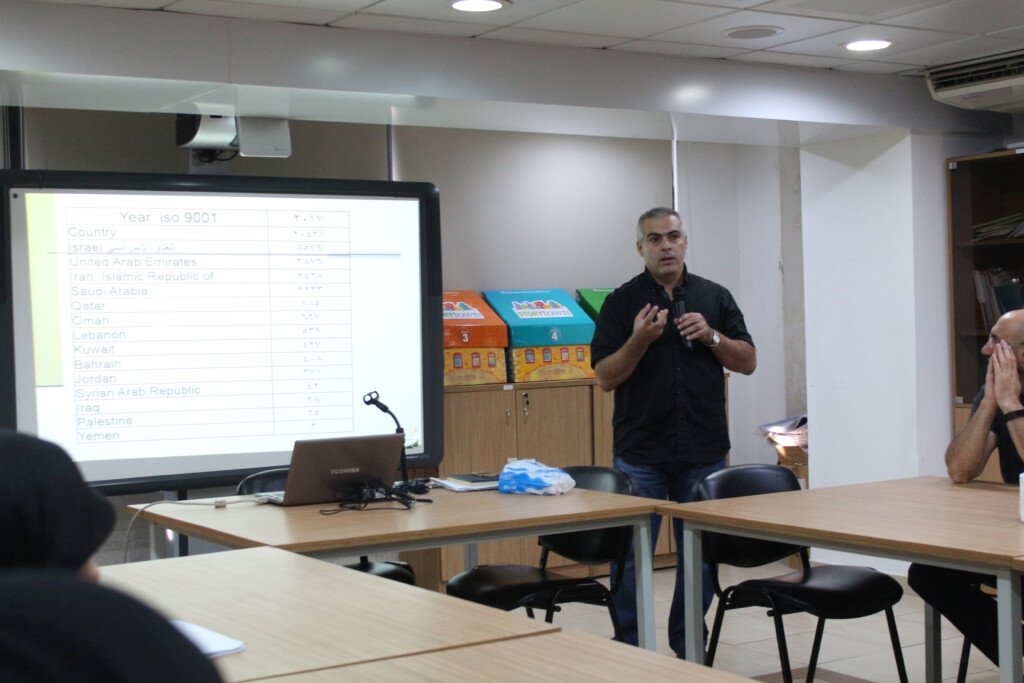
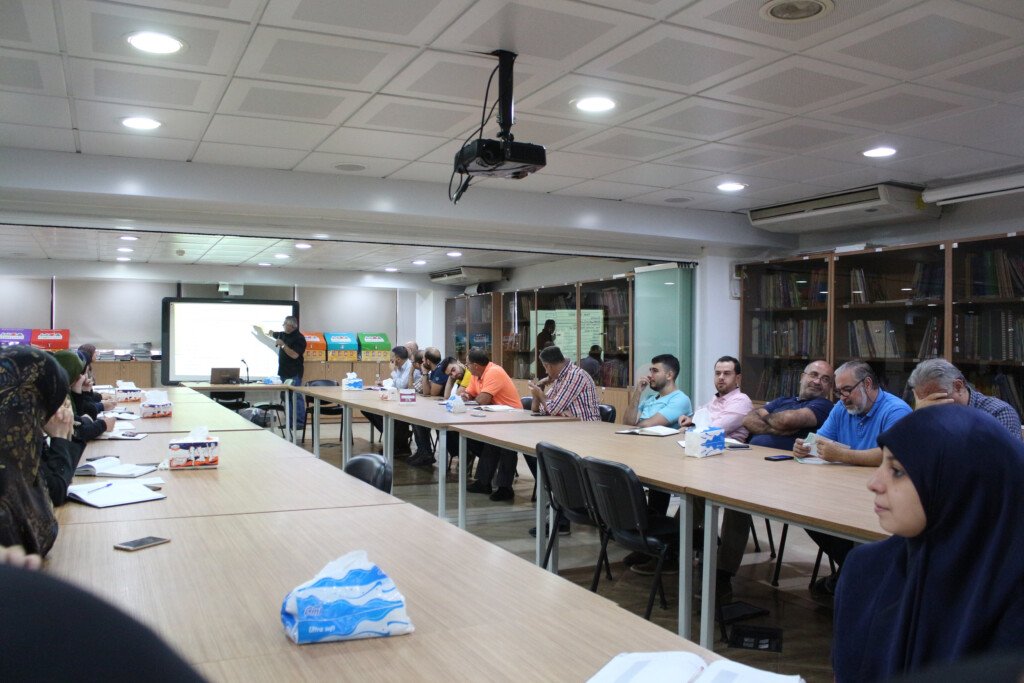
The quality system relies on certain principles to achieve its goals, which include mechanisms, work instructions, and models designed to achieve the following:
- Planning the means to achieve quality as defined or anticipated by the beneficiary.
- Documenting plans in the form of work mechanisms.
- Disseminating work mechanisms within the institution to ensure they reach all staff and are implemented effectively.
- Monitoring the progress and success of performance through continuous evaluation.
- Developing work mechanisms based on the results of monitoring and evaluation.
Administrative Development:
Al-Mabarat adopts the administrative development program to ensure the continuity of its institutions' operations and to prepare qualified administrative and educational staff capable of leading work in various positions. The program has contributed to a significant transformation by aligning theoretical knowledge with practical application, positively impacting the professional environment and institutional relationships within Al-Mabarat institutions. Senior and middle management now rely on an integrated institutional methodology that includes:
- Preparing job plans and annual reports.
- Regular performance evaluation and measuring progress.
- Preparing work files as an essential part of performance evaluation.
The central monitoring and evaluation unit is responsible for training human resources at various stages of their work and applying the human development methodology based on:
Productivity, equality, sustainability, and empowerment.
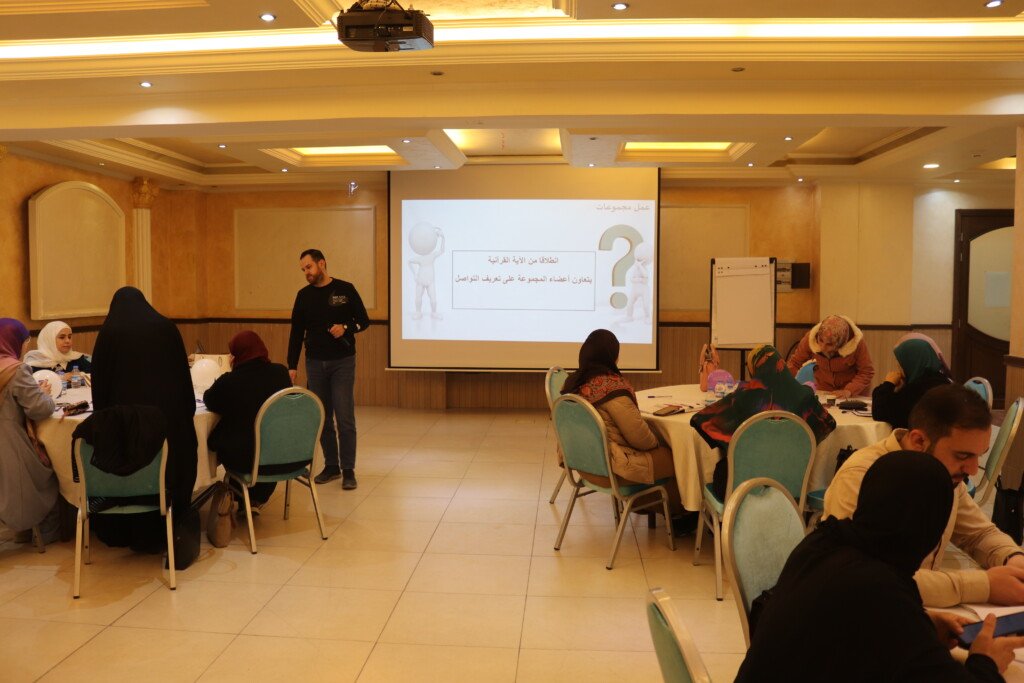
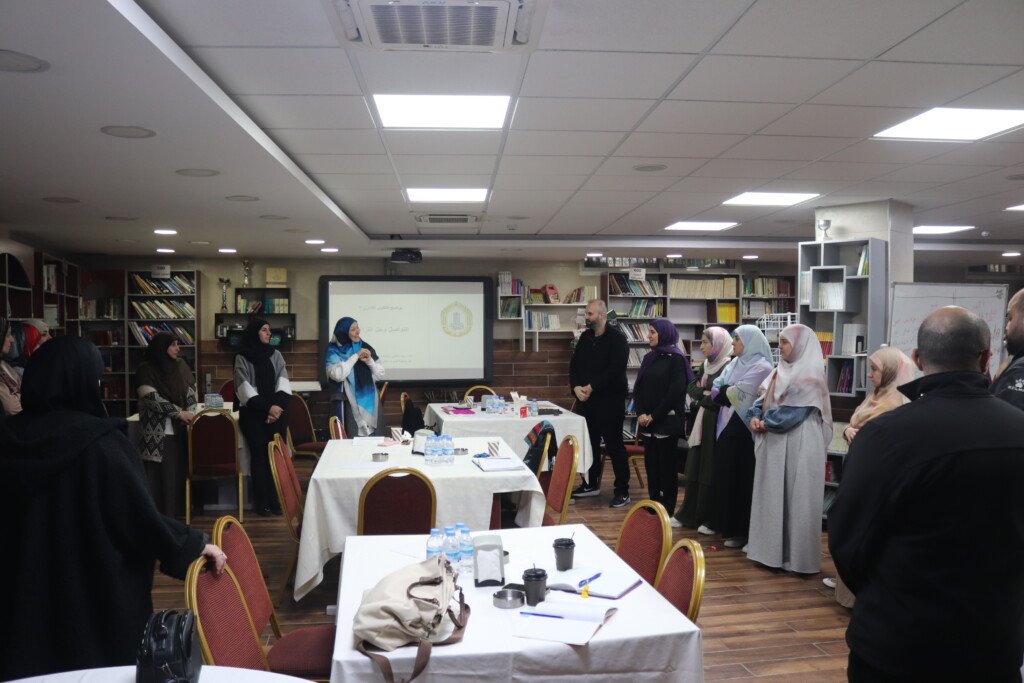
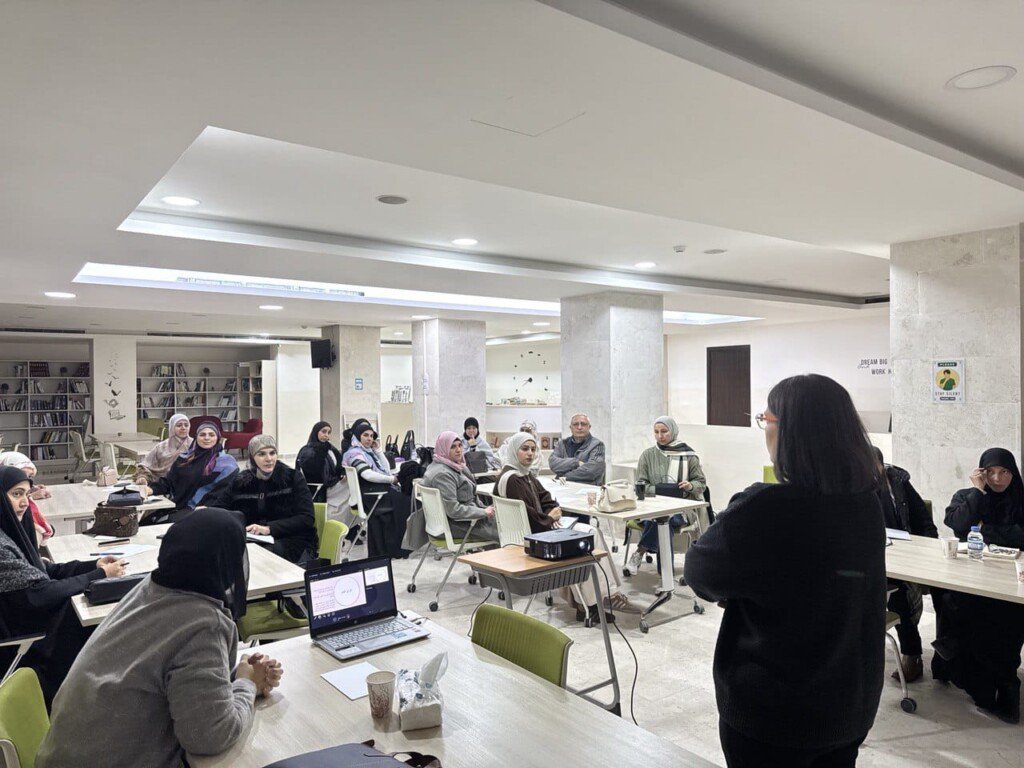
الجودة، التقويم، والتطوير المستدام
In order to ensure the continuity of the program and preserve its achievements, and in line with the institution's mission vision, the following actions were taken:
Contracting with specialized consultants from the American University to study the self-assessment of the program's impact.
Developing the mental abilities, practical skills, and experiences gained by work teams.
Completing a key stage in the development of public management systems, which included:
Writing the quality policy, which includes the association's mission.
Mapping processes, defining quality indicators, and determining measurement methods.
Preparing mechanisms and instructions and disseminating them.
Launching and implementing the quality management system in public administration and institutions.
Adopting a new auditing methodology under independent supervision, with continuous updates to organizational structures according to the latest administrative practices.
Excellence Guide
Al-Mabarat has prepared the Institutional Excellence Guide to serve as a practical guide for employees across its various institutions. It supports their continuous journey toward excellence, unifying concepts and practices to enhance the quality of institutional performance and its sustainability.
The Excellence Guide is a practical tool for obtaining institutional accreditation, which serves as recognition of the quality of services provided by the institution and the mechanisms used to implement them. It ensures that the institution meets a specified level of performance, integration, and quality according to established standards, thereby enhancing the confidence of the target groups and ensuring the correct and comprehensive execution of tasks.
The accreditation system requires a comprehensive evaluation of the institution, during which strengths and weaknesses are identified, leading to an objective judgment regarding the institution's eligibility and institutional efficiency.
The Excellence Guide includes, in its versions for educational institutions and welfare institutions:
Chapters and approved standards.
Explanation of the eligibility criteria for submitting a nomination request.
Guidelines for collecting and analyzing information during implementation.
This applies if the institution decides to pursue the experience of obtaining institutional accreditation and excellence certification.
Al-Mabarat adopted the self-assessment study model (Self Study) that covers all areas of the association's work, due to its role in:
Building the cognitive and practical capacities of the staff.
Instilling quality practices within the institution.
Empowering teams to conduct similar evaluations without the need for external consultants.
The institutional accreditation system is based on internal self-assessment first, followed by arbitration and final evaluation from an external body.
Once the institution is accredited, it commits to maintaining compliance with the required standards throughout the accreditation cycle, ensuring the sustainability of quality and excellence in performance.
Authorship and Publishing
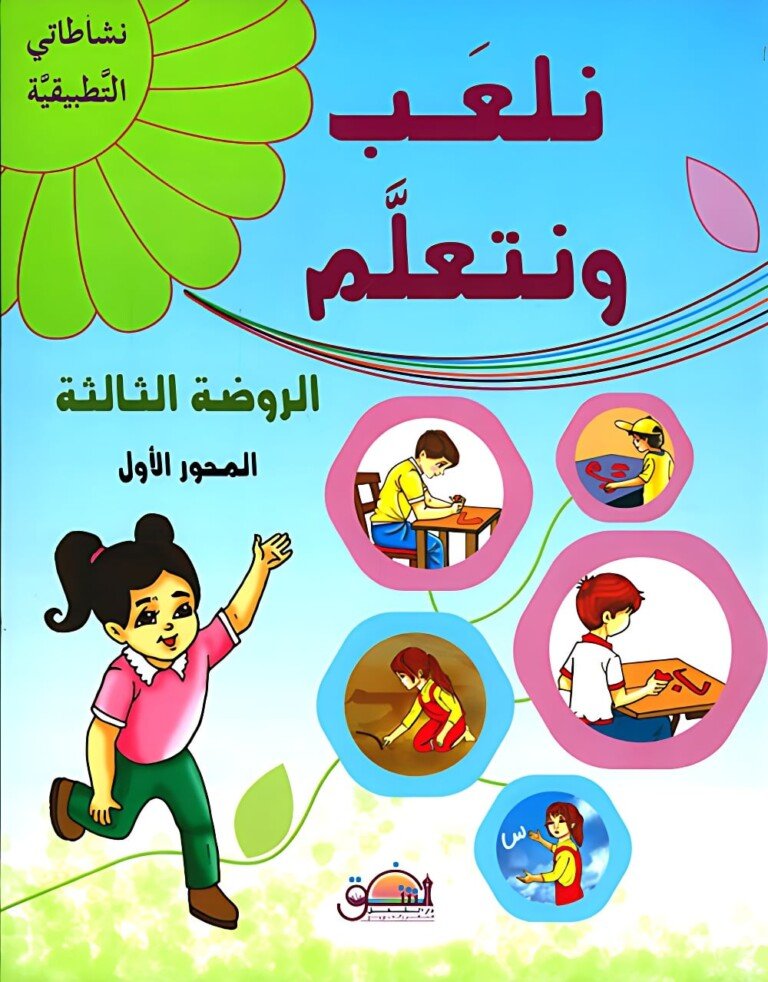
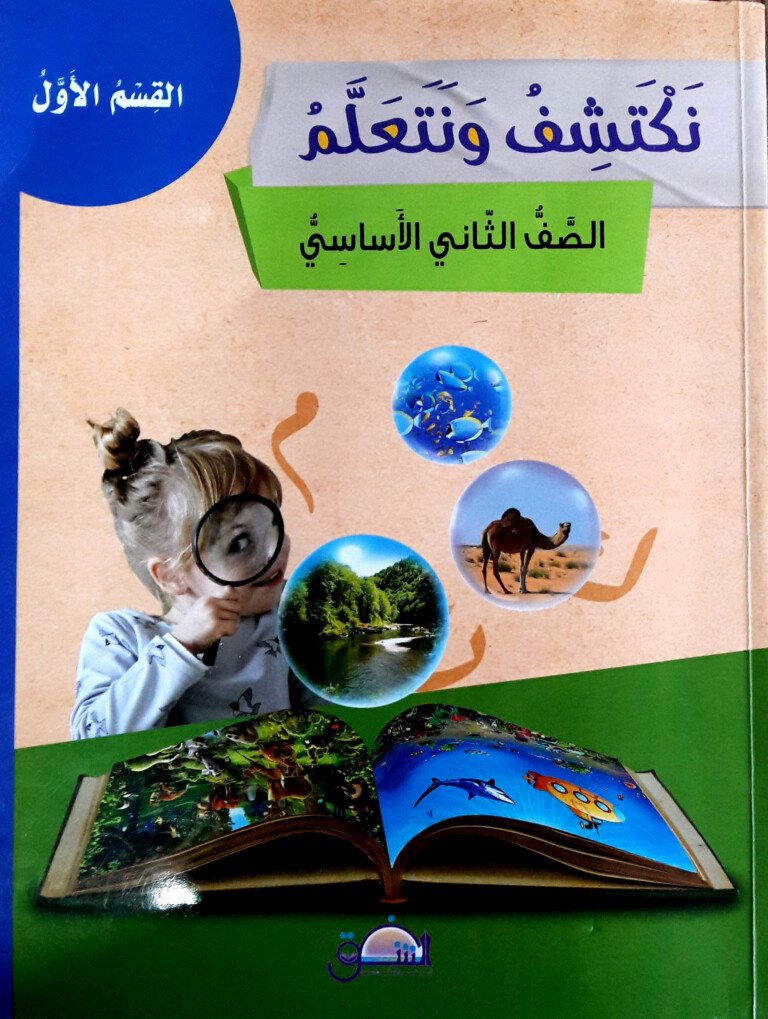
Al-Mabarat schools have confirmed their presence in the field of education by achieving excellence in the Intermediate and Secondary Certificate exams for many years. This success is attributed to the grace of Almighty God, as well as the efforts of those in charge of educational administration at the general administration and institutional levels, who are dedicated to overseeing every aspect of the educational and learning process. Additionally, there are talented supervisors, coordinators, and teachers whose work goes beyond teaching and education to include authoring educational books and preparing purposeful educational publications.
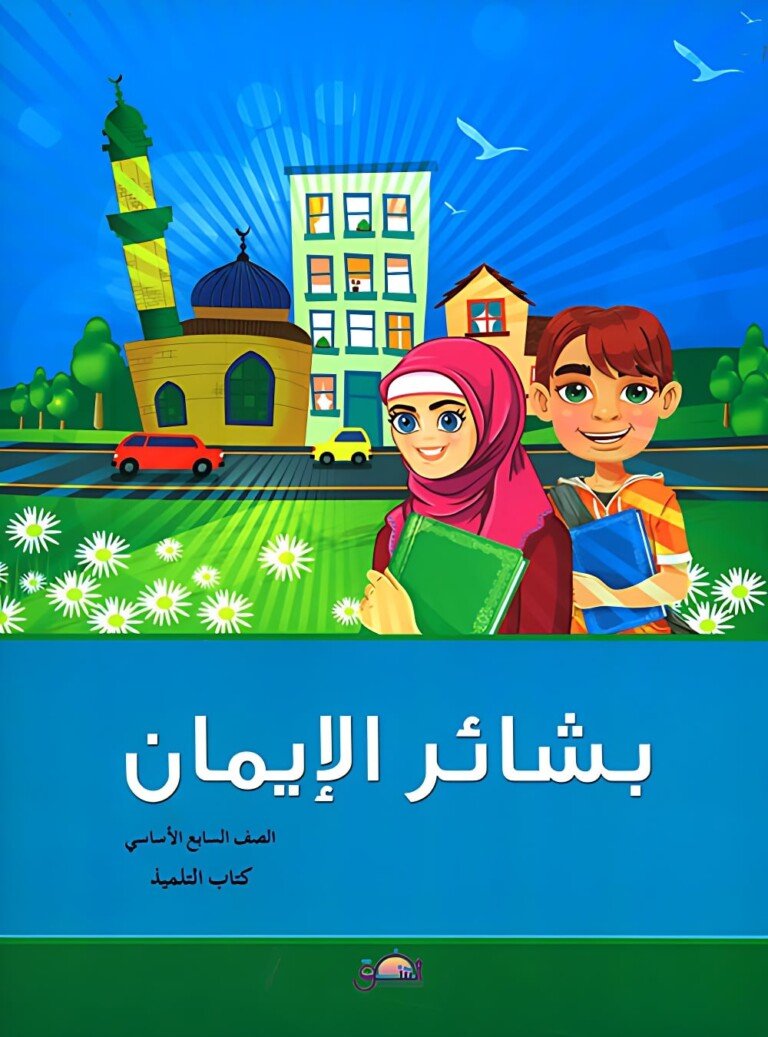
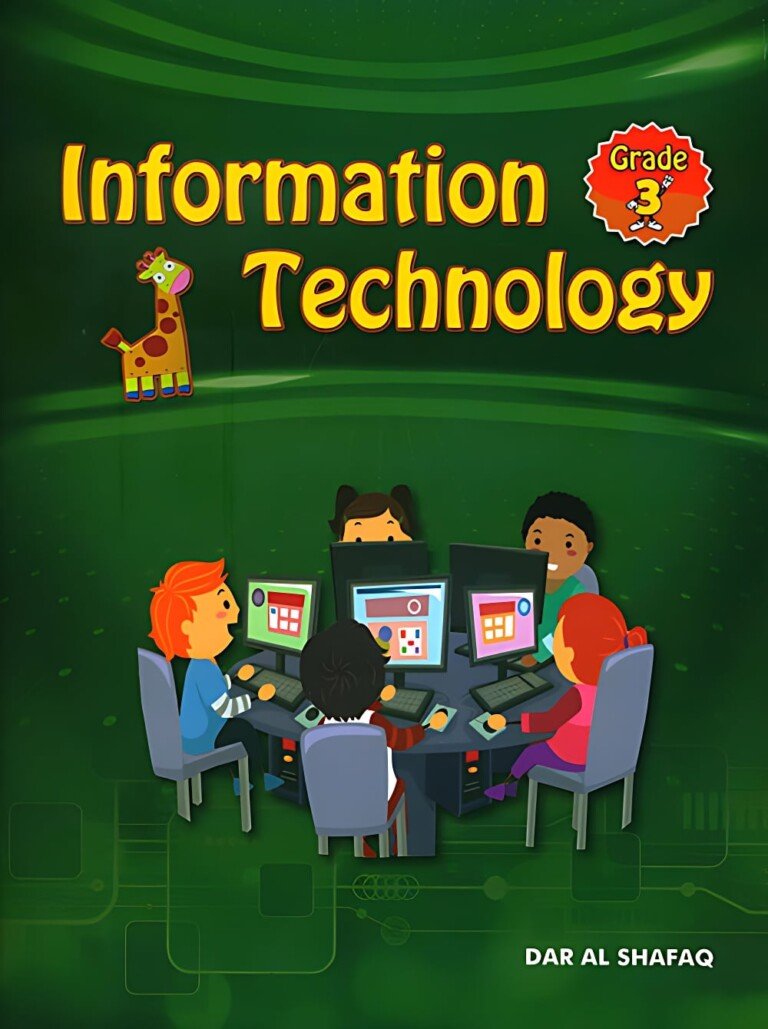
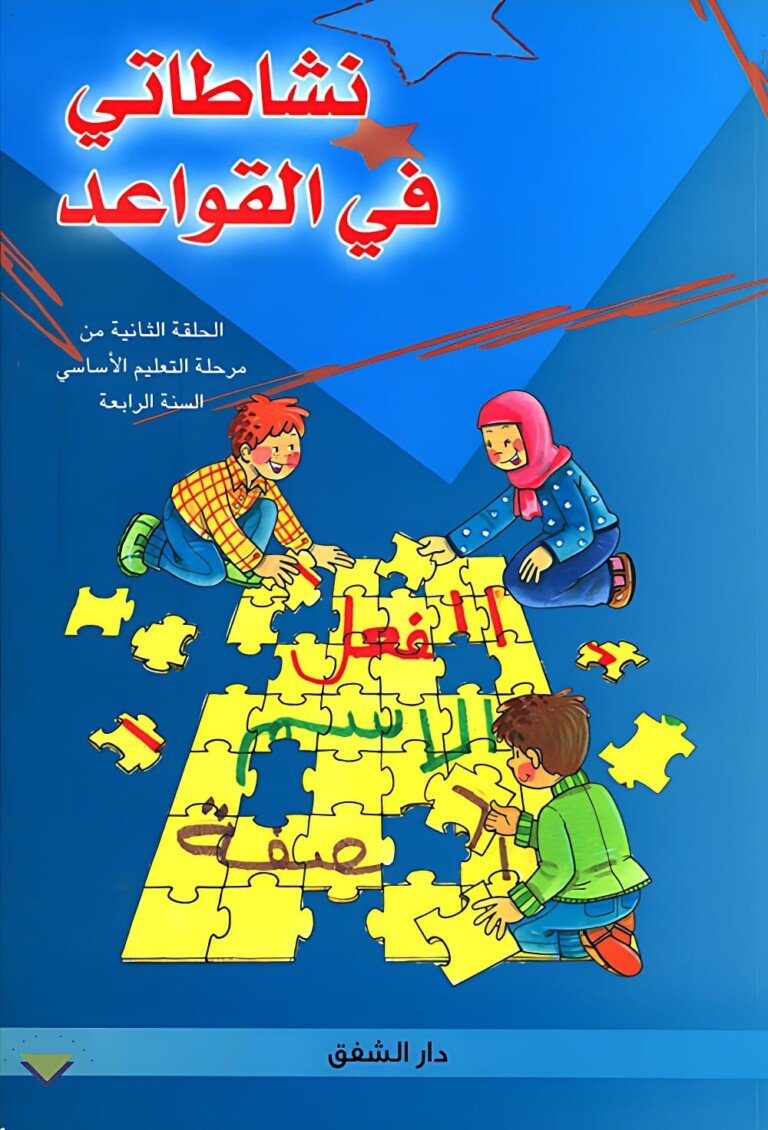
The Directorate of Education and Teaching, in collaboration with specialists within Al-Mabarat schools, has worked on authoring several educational books. Among them are: the book "Discover and Learn" for the first three grades of the basic education cycle, which includes integrated materials in Arabic, science, and social studies. Additionally, two books on Life Sciences for the seventh and eighth grades, an Informatics book for the first and second cycle grades, an Arabic language book for the fourth and fifth grades, and the "Seeds of Faith" book for the first cycle, which integrates Quranic studies and Islamic education. These books were written with a spirit derived from the thought of the founding reference (may Allah have mercy on him). Moreover, summer vacation assignments, other phase-specific booklets, and the launch of the "Harvest" series for educational development, among many other books in progress, have been published.
Educational Diagnosis
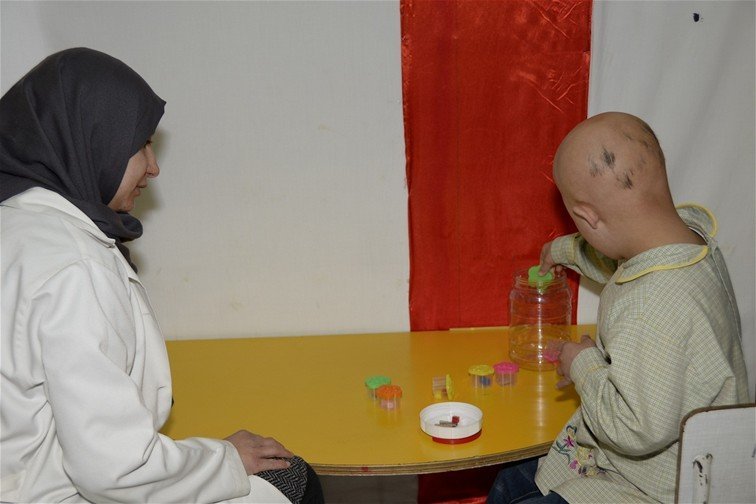
With the diversity and multitude of students' needs and the scarcity of specialized educational references in the educational diagnosis process, it was essential to take the initiative to establish an Educational Diagnosis Center, supervised by specialists who provide the necessary assessments and appropriate suggestions for intervention and follow-up programs.
Thus, the Siraj Center was inaugurated in 2003 in Beirut, Airport Road, to provide educational diagnosis services and early detection of developmental issues.
The summary of services provided at this center includes: educational diagnosis, speech and language problem diagnosis, motor issues diagnosis, preparing an individualized intervention program for students, and adapting curricula, teaching methods, and various educational references to meet the diverse and multiple needs of students. The center offers its services to individuals and institutions both within and outside the association.
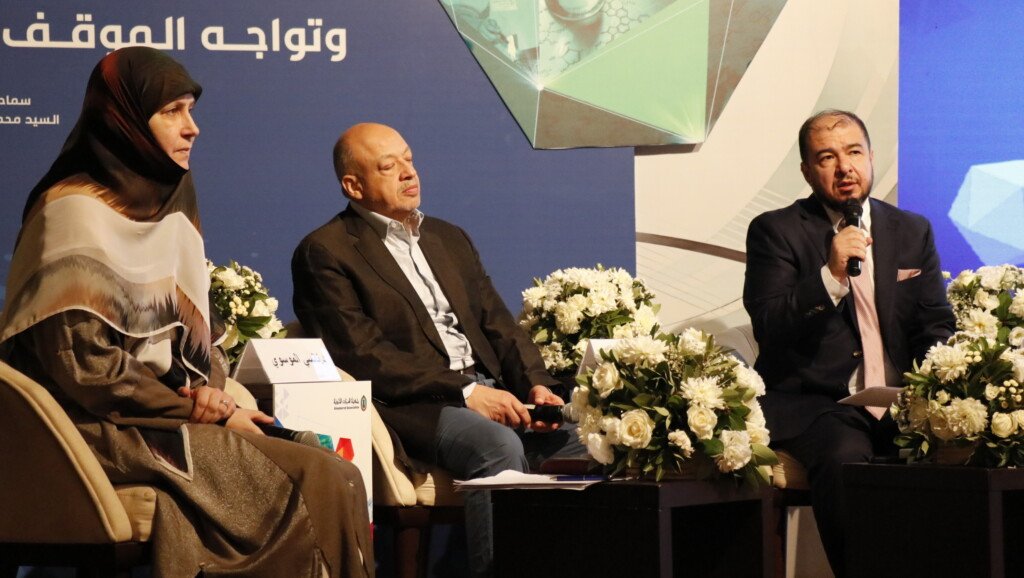
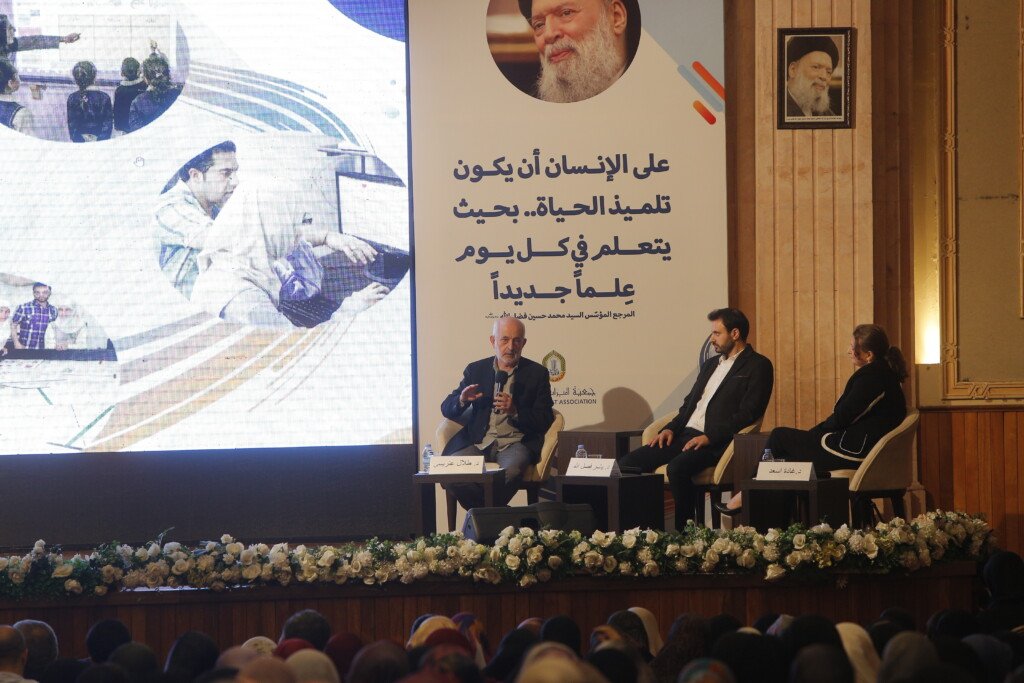
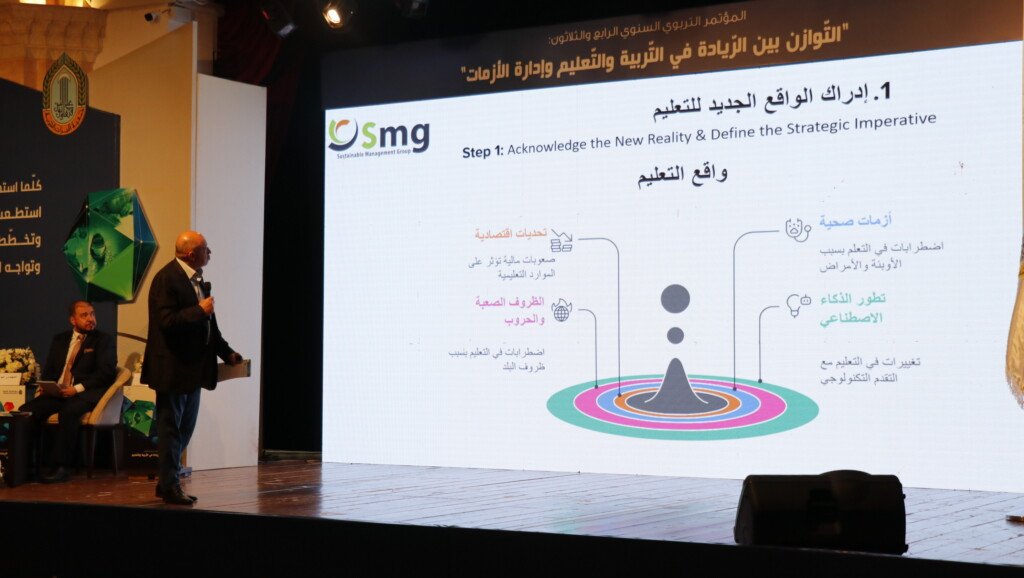
Educational Conference:
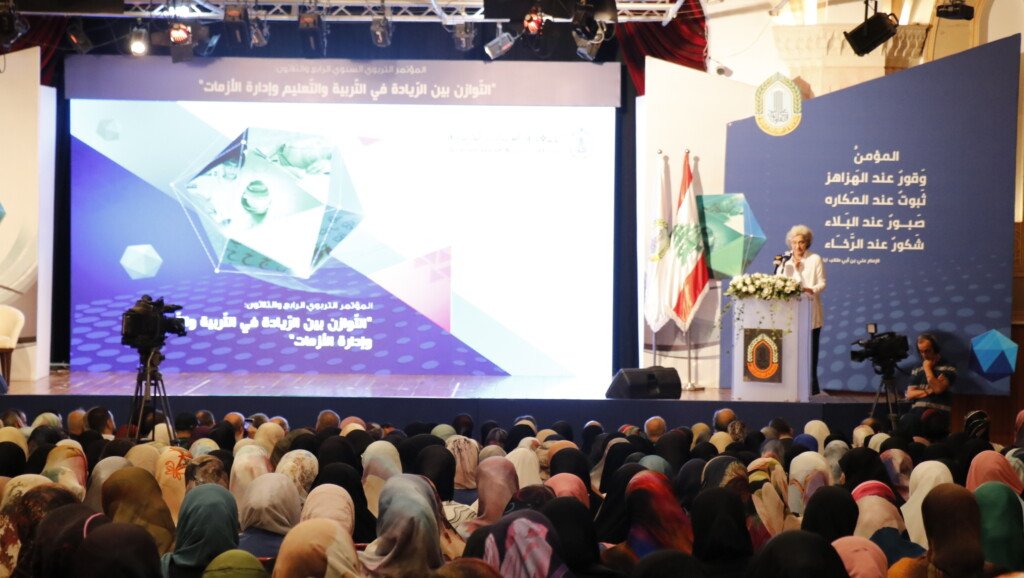
The Al-Mabarat Charity Association organizes an educational conference at the beginning of each academic year, bringing together educational and welfare staff from the association's institutions. The conference hosts lecturers in educational sciences who present theories for discussion and comparison with the reality of schools and institutions. It also includes workshops on various educational subjects, supervisory methods, teaching strategies, and educational approaches. Some of the main topics of previous annual educational conferences include:
- Education between Tradition and Innovation, 1997.
- Inclusive Education: Between Theory and the Challenges of Implementation, 1998.
- Al-Mabarat Schools: Between the Mission of Education and Teaching Skills, 1999.
- Education in the Service of Culture, 2000.
- Al-Mabarat Schools: A Path of Reform and Change, 2001.
- Islamic Upbringing and Humanizing Education, 2002.
- Islamic Upbringing: Between Tradition and Modernity, 2003.
- Citizenship in Islamic Upbringing, 2004.
- Education of the Mind: Between Faith and the Challenges of the Modern Era, 2005.
- Education: Between Freedom and Responsibility, 2007.
- Continuous Development of Abilities: A Path to Facing the Future, 2008.
- Wisdom and Good Advice in the Teacher's Message, 2009.
- Wisdom and Good Advice in the Journey of the Founder of Al-Mabarat, the Scholar and Reference, Sayyed Muhammad Hussein Fadlallah (May God Bless His Soul), 2010.
- Education: Between the Depth of Thought and the Horizons of the Soul, 2011.
- Al-Mabarat: Welcoming Islamic Institutions, 2012.
- Prophet Muhammad: A Role Model in Education and Teaching, 2014.
- The Concept of Mercy: Between Theory and Practice, 2015.
- Partners in Education: Between Parents and the Institution, 2016.
- Professional Care in the Educational Community: Embrace and Empowerment, 2017.
- Integrated Care: Embrace and Growth, 2018.
- Al-Mabarat: From Institutionalization to Institutional Excellence, 2019.
- Sustainability of Care and Education in the Face of Crises, 2020.
مسارات التعليم والرعاية في ظل الأزمات… تجربة الواقع واستشراف المستقبل 2021
- التكنولوجيا الرقمية ودورها في التربية والتعليم: فرص وتحديات 2022
- المعلم والمربّي والإداري في زمن الرقمنة: ملامح وأدوار 2023
- التربية الشخصية والقيم قي قلب التعلم: مدخل إلى المواطنة الصّالحة 2024
- التوازن بين الريادة في التربية والتعليم وإدارة الأزمات 2025