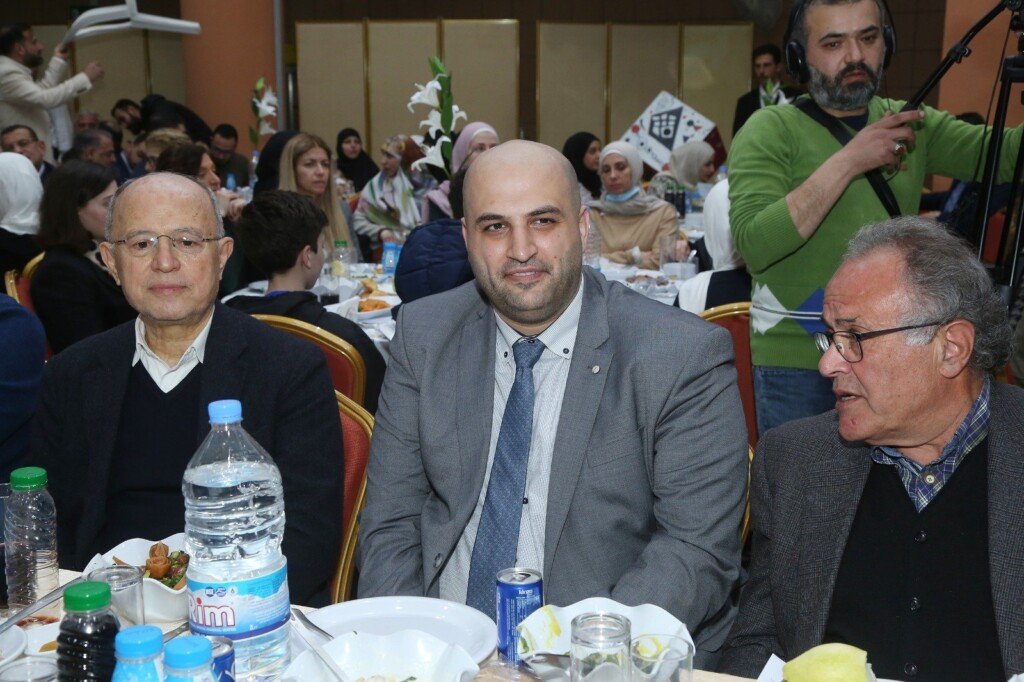
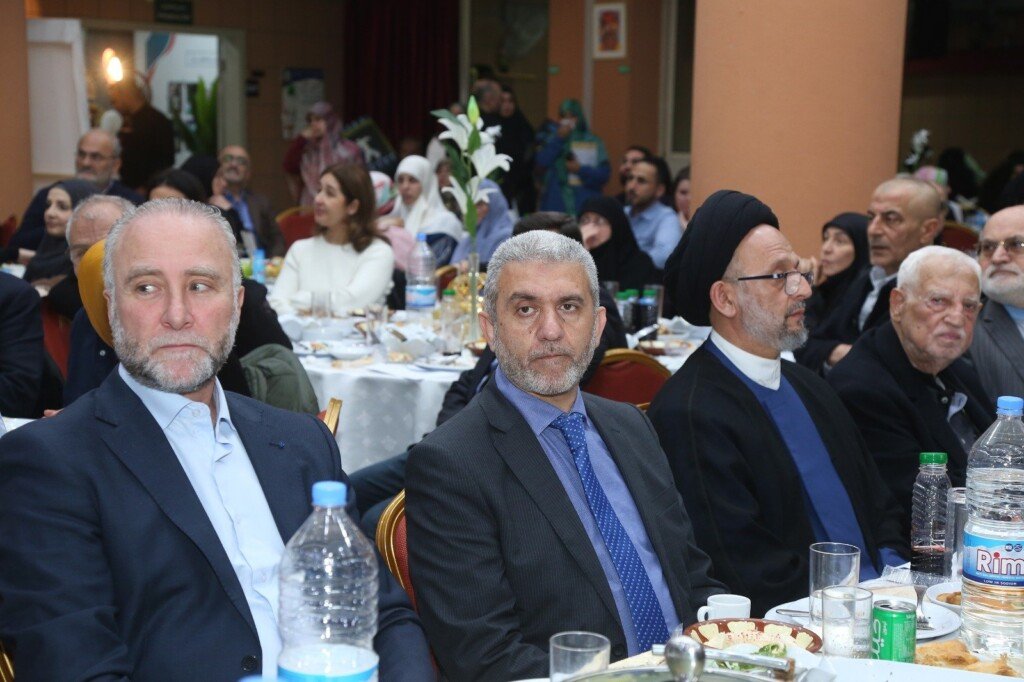
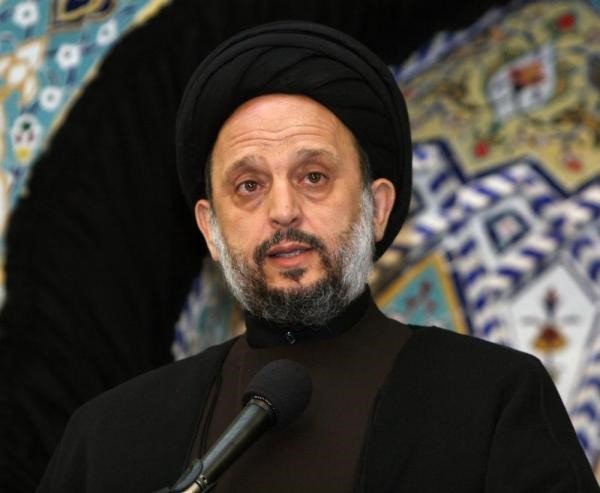
Sayyed Ali Fadlallah sponsored the iftar ceremony held by the Al-Hadi Foundation for Hearing and Visual Impairment, Language and Communication Disorders, in the presence of the Minister of Health Dr. Rakan Nassereddine, the Minister of Environment Tamara Al-Zein, former Minister Mostafa Bayram, the Director General of Al-Mabarrat Association Dr. Mohammad Baqer Fadlallah, and a large gathering of social, economic, civic, diplomatic and military figures, representatives of international organizations, and members of the Friends Council of the Al-Hadi Foundation.
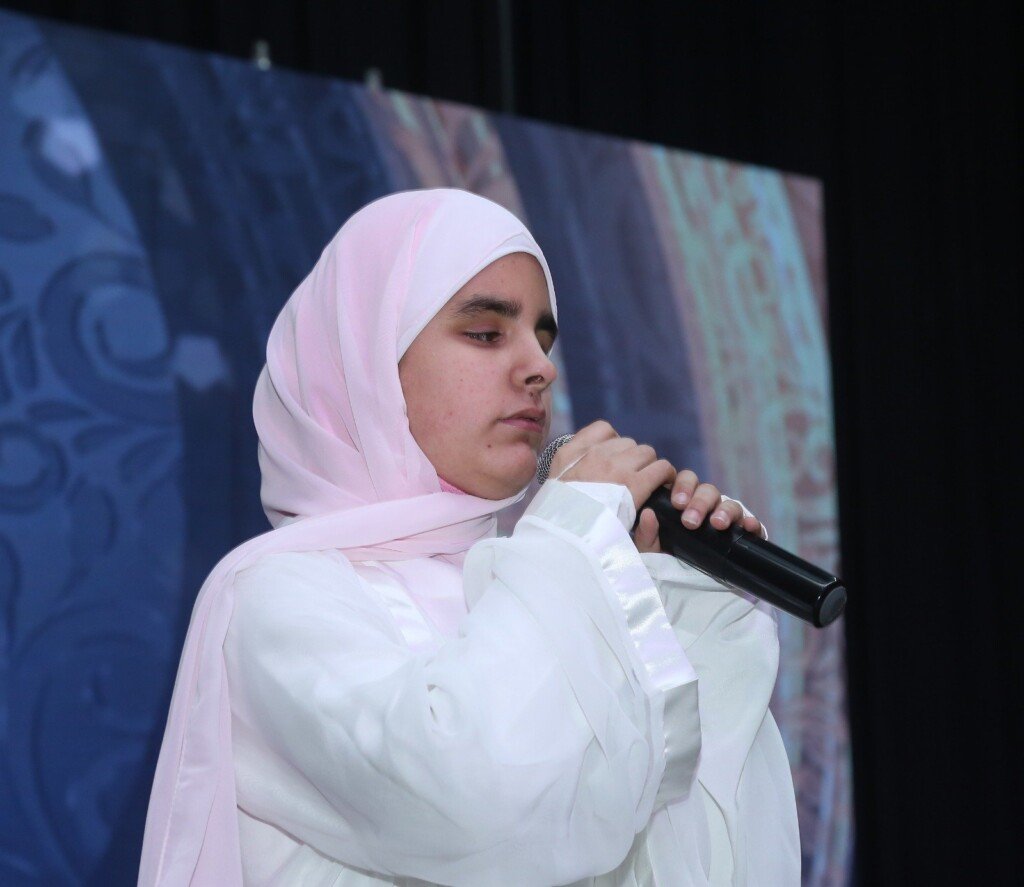
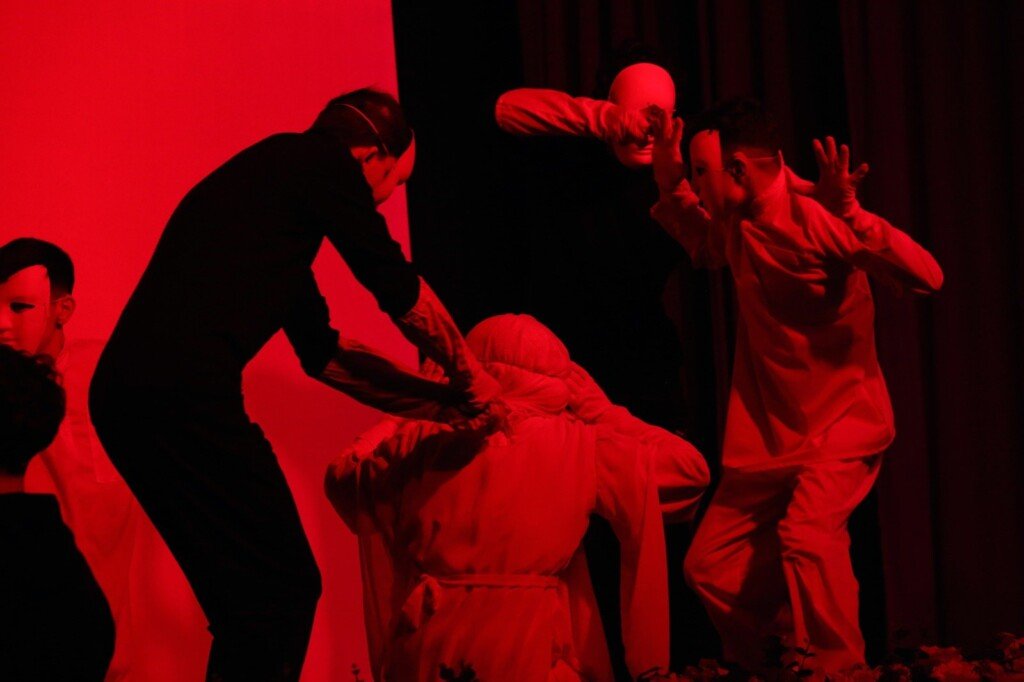
The ceremony opened with verses from the Holy Quran, followed by the national anthem, then a musical segment and religious hymns by the Al-Hadi Foundation choir. A play inspired by the occasion was then performed, followed by a documentary film about the Foundation, and then a speech by the President of the Friends Council of the Al-Hadi Foundation, Hajj Youssef Hammoud, who thanked those present for their contributions and their response to the initiatives the Council launches.
Sayyed Fadlallah then delivered a speech in which he said: Among the greatest blessings we enjoy in this blessed month, the month of Ramadan, is the coming together that takes place among people, which is not available in the other months. Its importance lies in its being a coming together built on love, mercy, goodness and human values. This is the coming together we want to see achieved at the level of the family, among relatives and neighbours and the people of one country, at the level of institutions, and among the followers of the religions, sects and varieties present within the nation, which strengthens family, social and religious bonds and the bonds of the whole country
He added: This human connection is what we need most amid the estrangement, fragmentation and division sweeping over us. It is a connection that dispels anxieties and fears, at the level of society and among religions, and it is essential for building the nation and safeguarding it, for nations are not built through division and conflict.
He continued: In this country, amid all the challenges buffeting it from within and without, we have never needed more to come together and build bridges, so as to work on addressing the difficult social, political and security conditions afflicting this nation, to provide every means of strength to protect it and to stand against the enemy's attacks, its daily violations and its occupation of areas within it, and to rebuild what has been destroyed. Any division encourages the enemy to press further with aggression and occupation, shaking internal stability and preventing the nation from being built…
He noted that we do not deny that differences exist among the nation's components, between its communities and within a single community or sect, but that this does not call for estrangement, division and bringing the structure down on everyone's heads. Rather it calls for communication and for strengthening the language of dialogue in order to reach agreement, or at least common ground. The principle must be that the nation has room for everyone, that it is built only through the cooperation and communication of its communities, sects and political positions, that sincere, objective and transparent dialogue resolves even the most entrenched problems, and that the interest of any community, sect or group is served only when the interest of the whole nation is achieved…
He went on: Our gathering today, this gathering that brings the nation together, is an expression of your will to do good, of your faith and of your humanity toward those whom life's circumstances have buffeted and who have lost the greatest of blessings: the blessing of sight, of hearing and of speech, the blessings that are the most important means of securing a person's basic and essential needs. He noted that what these people endure requires us to cooperate, each from their own position, to help them and not to deprive them of care and embrace. He stressed that we do not want people with special needs to be a burden on society, but contributors to it, possessing every qualification to take part in building society. He called for opening the doors of work and employment to them, not as a favor or out of pity, but because they possess capacities that may exceed those of many who are able-bodied.
He held that this responsibility falls on the state, whose duty and role is to issue the laws that restore their rights from their own state. We also need to activate the existing laws, laws that make room for thousands of these qualified people, at university and higher education level and at technical and vocational level, to hold positions in public institutions, official administrations, private institutions and municipalities…
He affirmed that we will continue to place our trust in the state, out of belief in the logic of the state, which we have called and continue to call to be a state of justice and law, a state that works to meet its citizens' needs and carries their concerns at every level and remains their refuge. Today, here and from this humanitarian setting, we call on it to play the role required of it, by giving the Ministry of Social Affairs particular attention, especially as the numbers of orphans, people with special needs and the poor rise because of the continuing Zionist aggression on Lebanon…
His Eminence commended the efforts made by the Foundation's management and its staff, valuing the active role of the Foundation's friends and of all those around it who have kept faith with it and been sincere in their friendship, in both support and criticism. He thanked them and all of you…