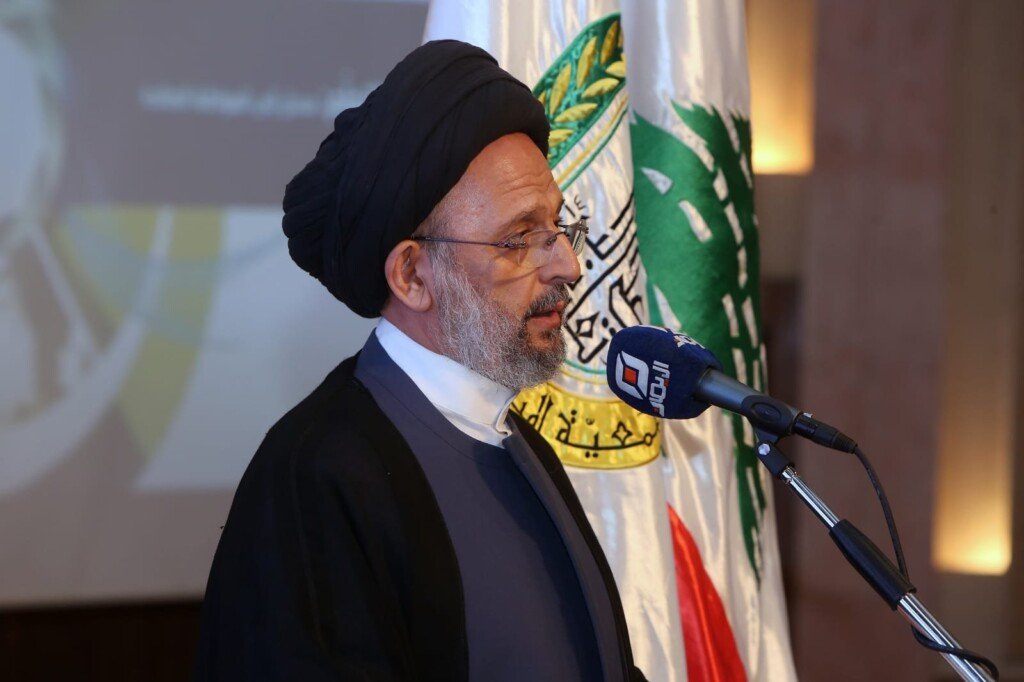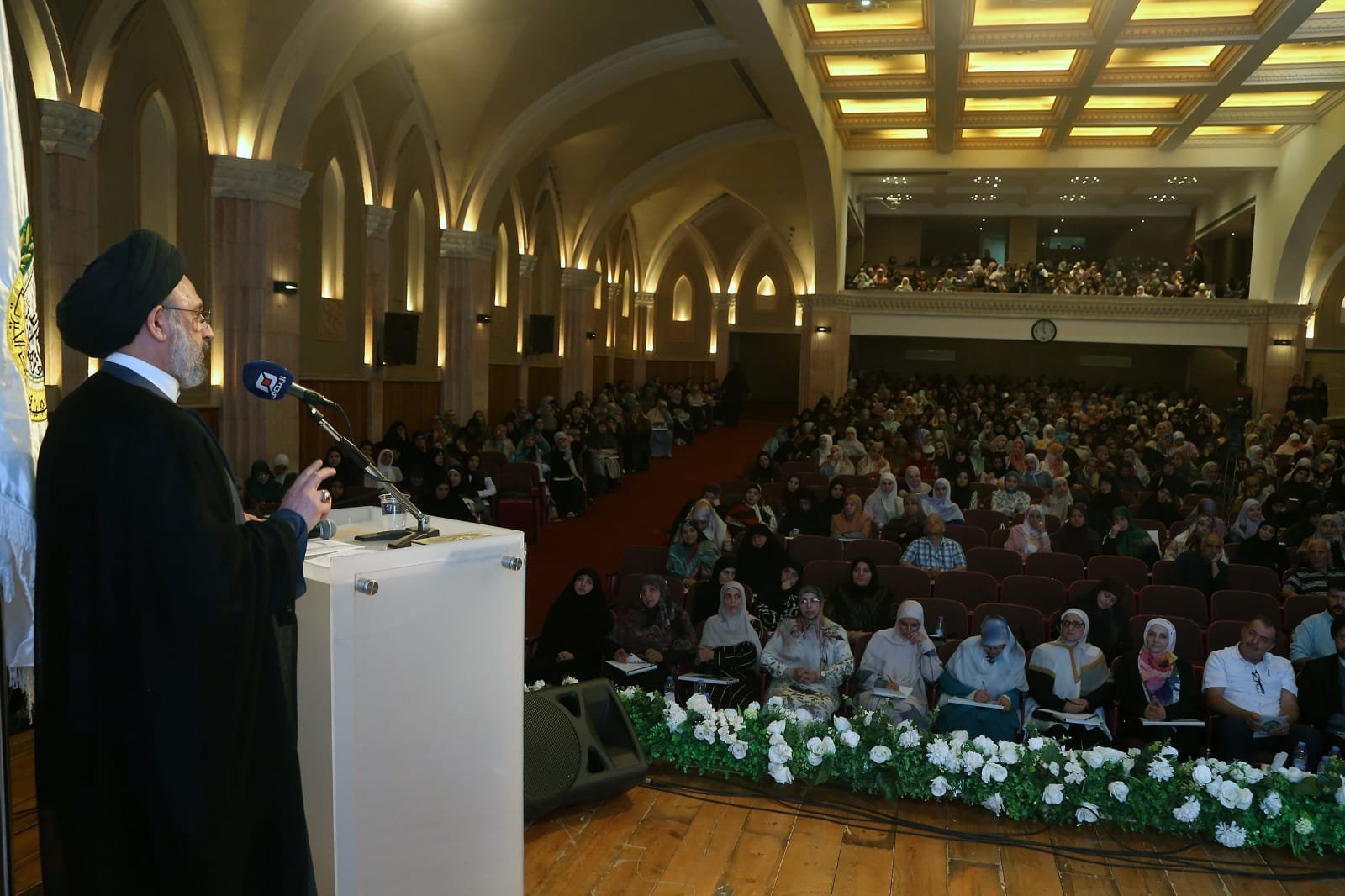
The scholar Sayyed Ali Fadlallah called on the educational institutions of Al-Mabarrat Association to develop their curricula so as to reconcile academic attainment with the building and development of character.
He stressed preparing teachers and administrators to be role models to be followed in their commitment to values and good conduct.
He held that it is regrettable in our country, described as the country of religions, that we should witness this decline at the level of ethical values and in relations within each sect or in its relations with the other sects, affirming that Al-Mabarrat's institutions have worked to activate the educational and ethical role and have opened the doors of dialogue and communicative relations at the level of the homeland, and that this will remain among their priorities and their mission.
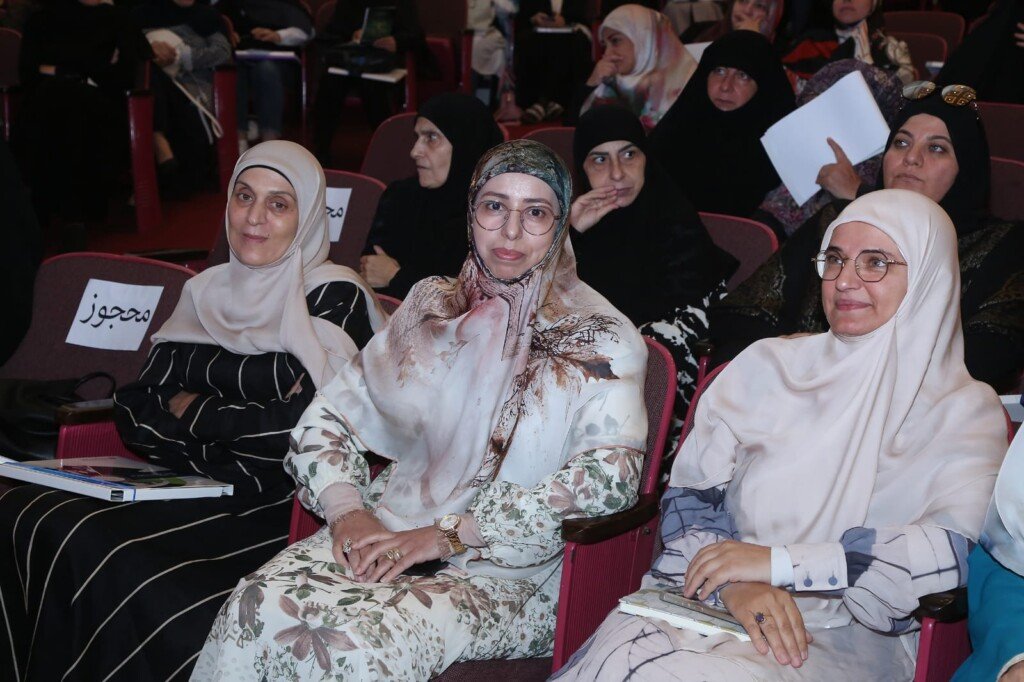
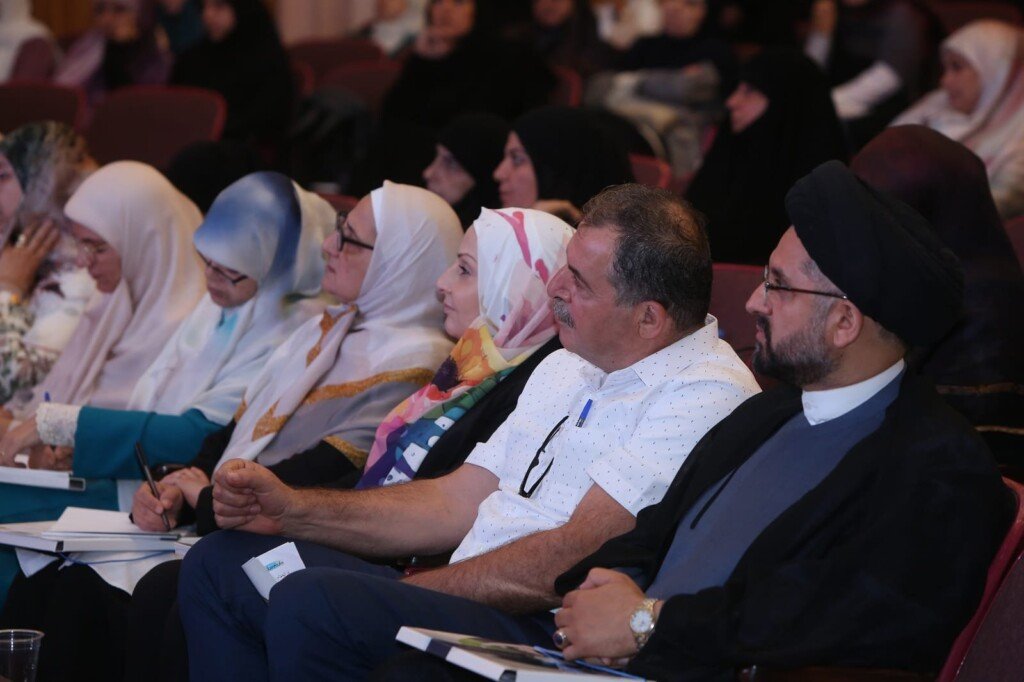
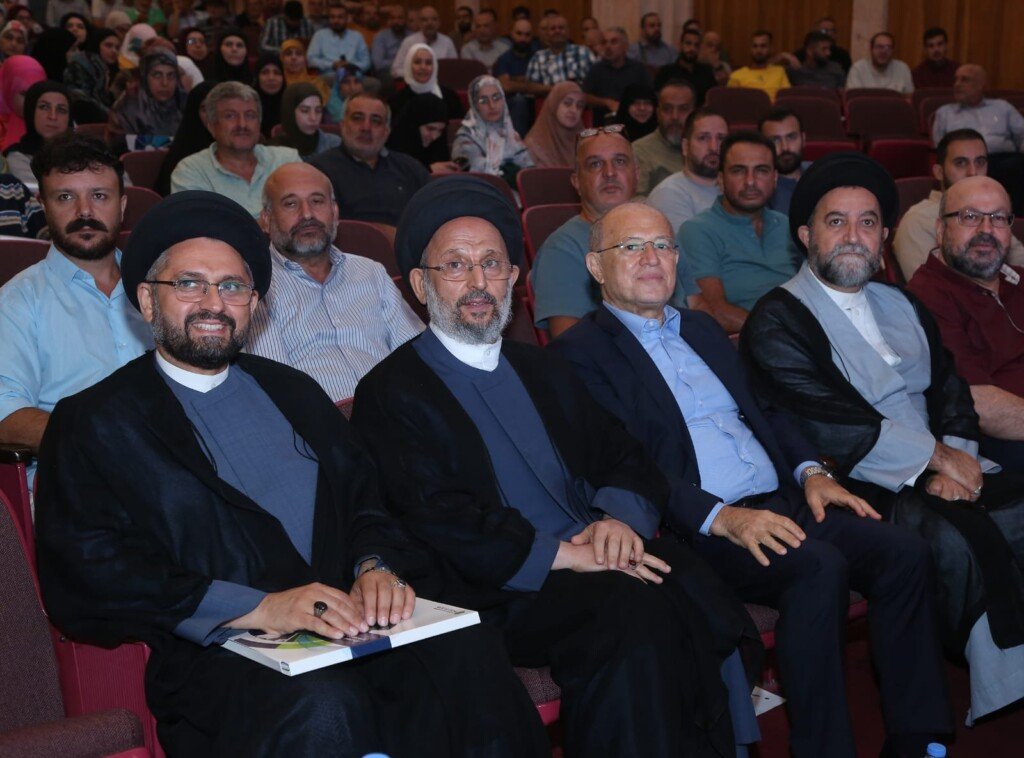
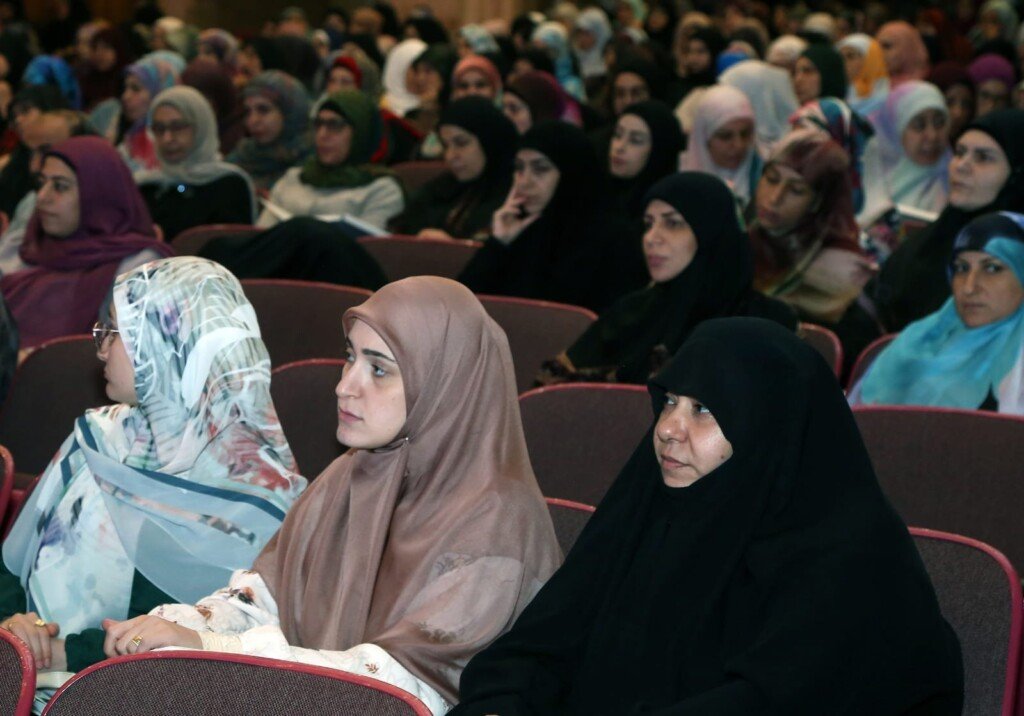
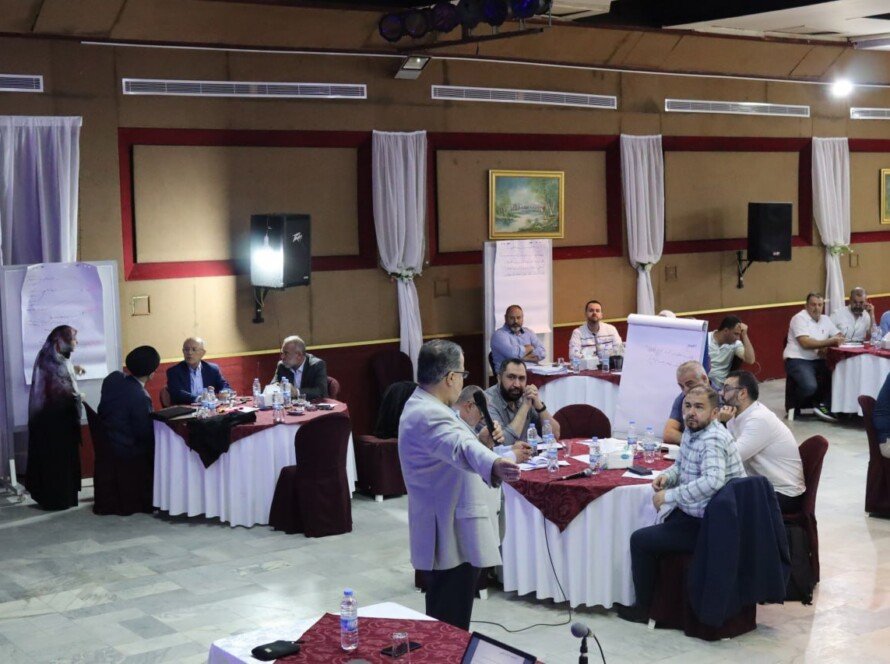
This came in the speech His Eminence delivered at the close of the events of the thirty-third educational conference of Al-Mabarrat Charitable Association, in which he stressed at the outset that the importance of this conference lies in what it calls for: strengthening the presence of education and ethical values at the heart of the teaching process, so that the assessment of educational institutions' success does not rest on the numbers enrolled in them, or on pass rates in teaching subjects at school or university level, or on graduates' achievements in the labour market and their presence in it, without at the same time taking into account these institutions' educational and ethical role, or their role at the social or national level with their students and graduates.
He added: When we call for a role for the educational institutions we do not overlook the family's role in developing values and forming character. The family is considered the first institution in which a child receives their values and ethics. But with the complexities of contemporary life and parents' preoccupation, mostly with securing life's requirements, and given the scale of the effects the media and social platforms now leave on the system of values parents wish to root, the parents' role has receded at the level of values and ethics. This places a greater responsibility on the school and makes it an essential partner in the educational process, which requires strengthening the relationship between school and family so that it is one of cooperation and mutual support.
His Eminence called on the educational institutions to work on developing the teaching curricula so as to reconcile academic attainment with the building and development of character. Curricula should not be compartmentalized so that there is a space for academic teaching and instruction and another space for ethics, upbringing, religion and the conduct of communication; we need a comprehensive approach that guarantees this integration.
He also called for preparing teachers and administrators in educational institutions on the ethical, educational and faith levels, and for selecting them on the basis of what they possess in this regard, so that they may be role models to be followed in a world where ethical dilemmas grow and values are lost to interests, to the point where values have become a matter of opinion - so that the teacher's role goes beyond transmitting knowledge to transmitting values and conduct to the students, dealing with the students on that basis and expressing it.
His Eminence stressed building critical thinking in students to protect them from what now reaches them through social media and the press or from their peers, and so that they take nothing that reaches them without scrutiny, examination, study and consultation - so that they may be aware of the consequences, lest others deceive them or they become an echo of ideas that have no connection with reason or with values.
He said: We are concerned with establishing the ethical values that are the foundation of building society and the homeland, for societies and homelands are built by nothing else; and with strengthening communication among its people and its components and its resilience. We see these values as the depth of religion and the purpose for which it came. So it was natural that the Messenger of God (peace be upon him) should refer to his message and to all the heavenly messages by saying: “I was sent only to perfect noble character.”
He continued: If we are living this suffering in this world, whether on the social, political or economic level, it is because values are no longer in command and no longer present in any of these fields, and because the language of private and factional interests has prevailed at the expense of the public interest and at the expense of values… Truthfulness, trustworthiness, justice, transparency, friendship, speaking in the better way and respect for people's money and resources are no longer the prevailing values.
He went on: It is regrettable that we should witness this in a country described as the country of the heavenly religions - which means a country of ethical values - whether in relations within a single sect or in the sects' relations with one another, whose negative manifestations we witness on the ground, and which has come to threaten this country's safety, its unity, its advancement and the bright image in which it ought to appear.
His Eminence concluded by affirming that our institutions have worked to activate the educational and ethical role and have opened the doors to dialogue and communicative relations, and that today they extend a hand to all educational and care institutions to communicate in order to achieve this aim, from which they have not deviated and will not deviate… Here we must offer thanks and appreciation to our teachers and educators for the efforts they have expended, which have left their effects on the ground through the distinction we witness in these institutions in this regard…