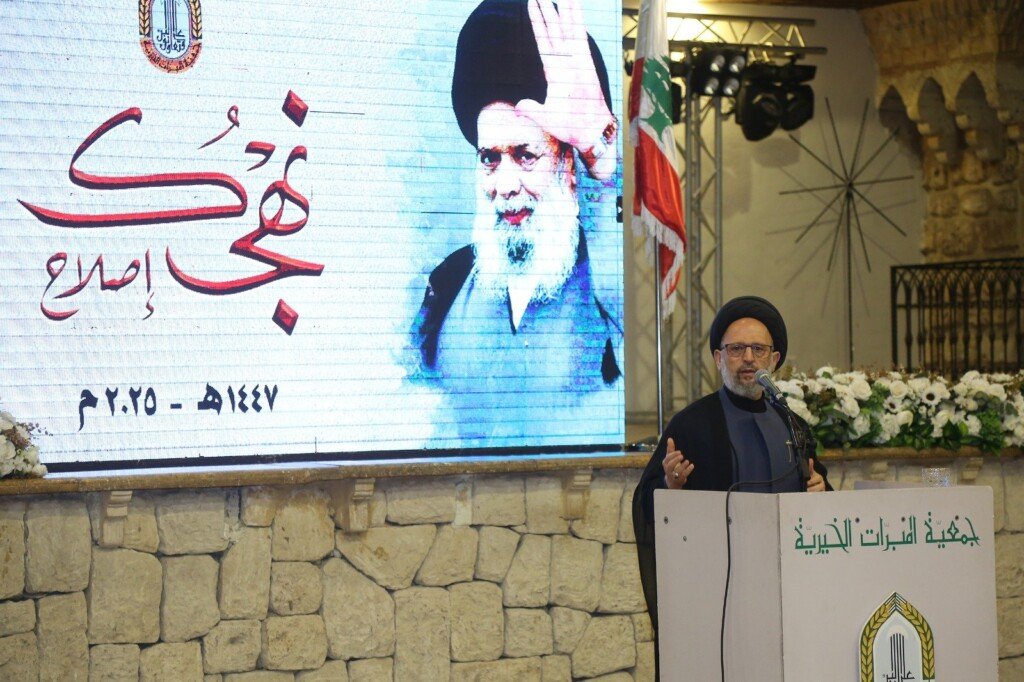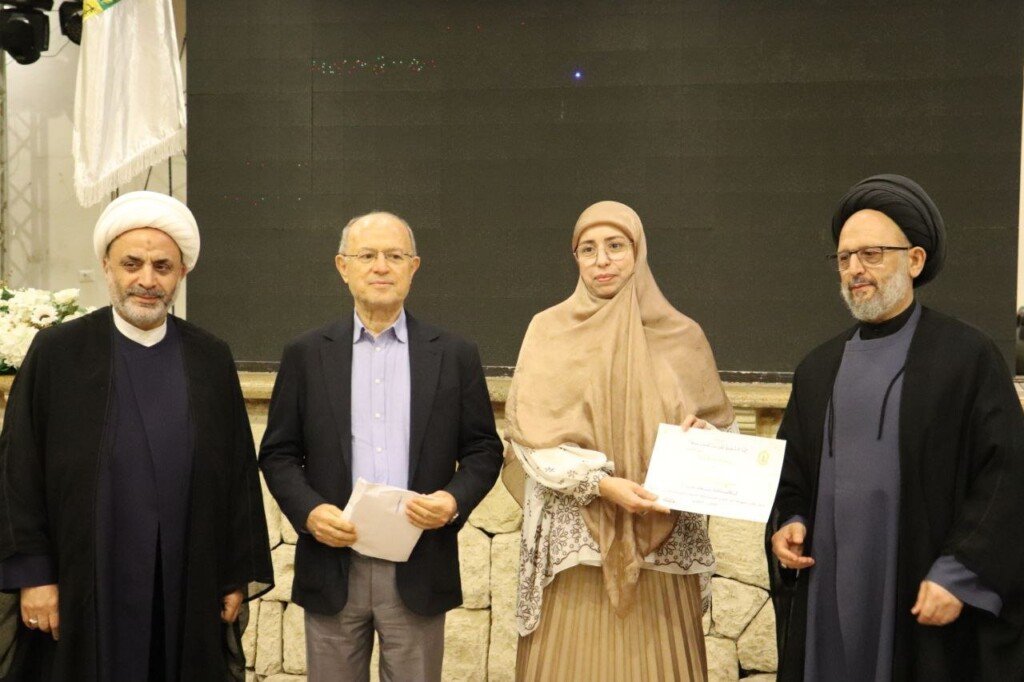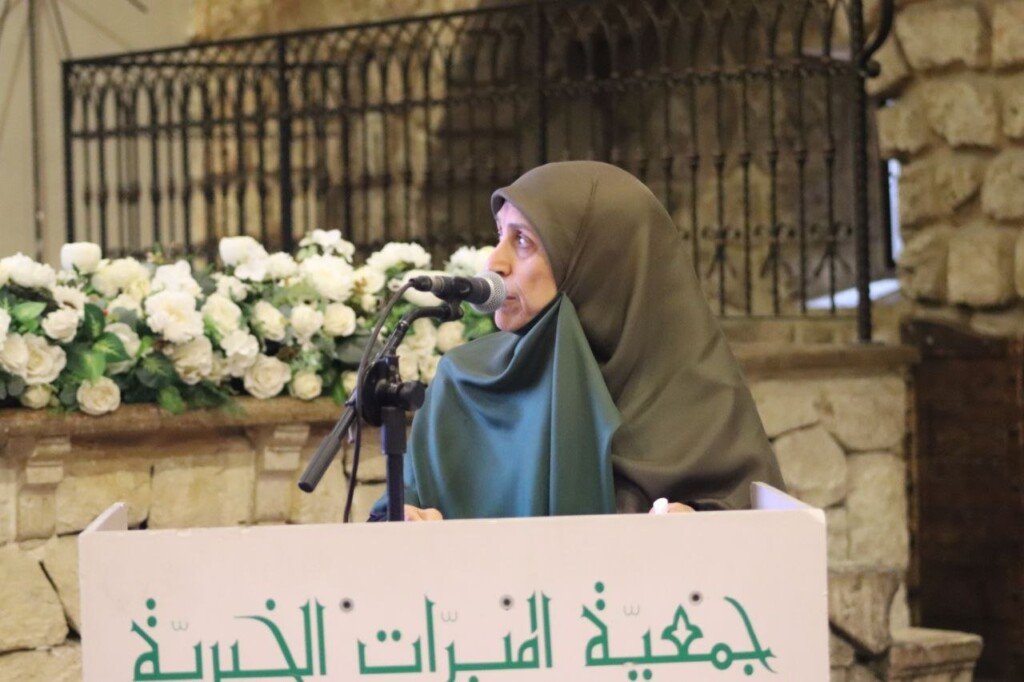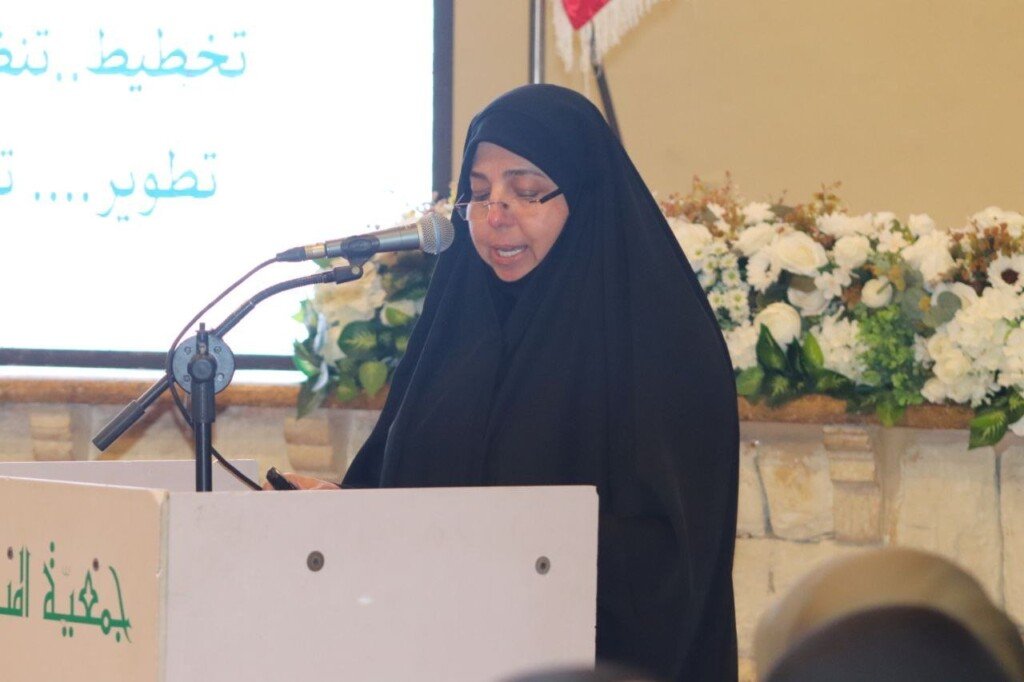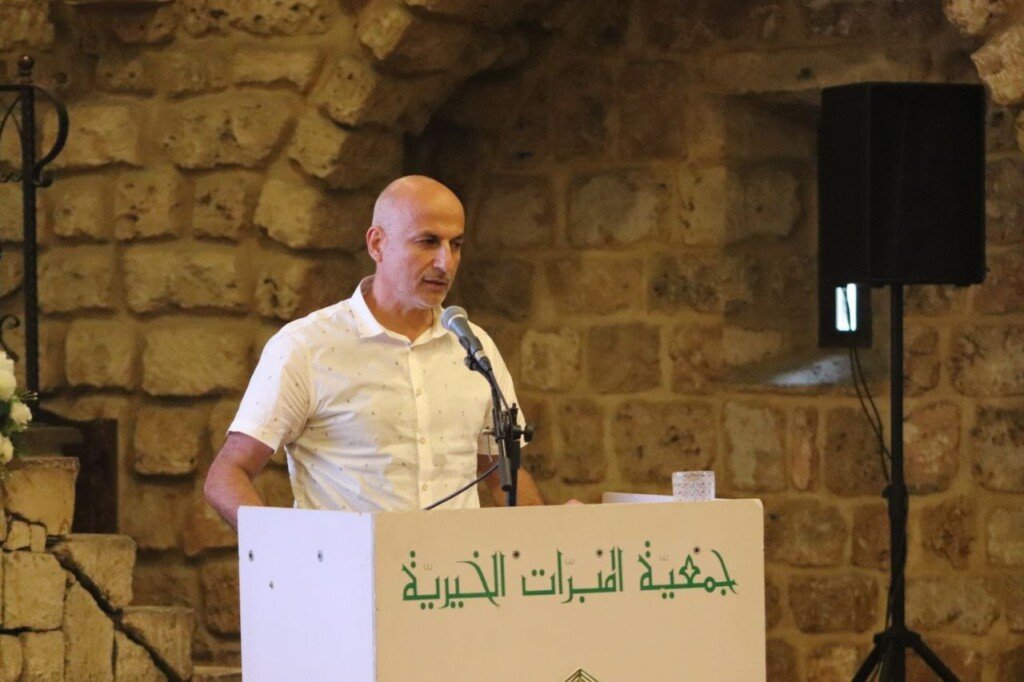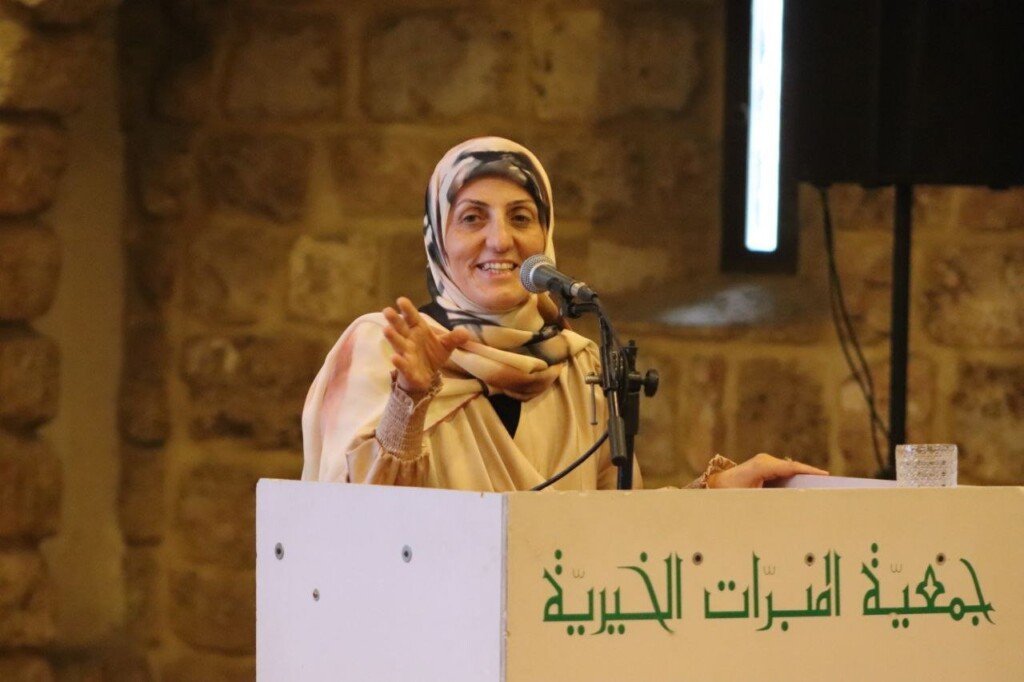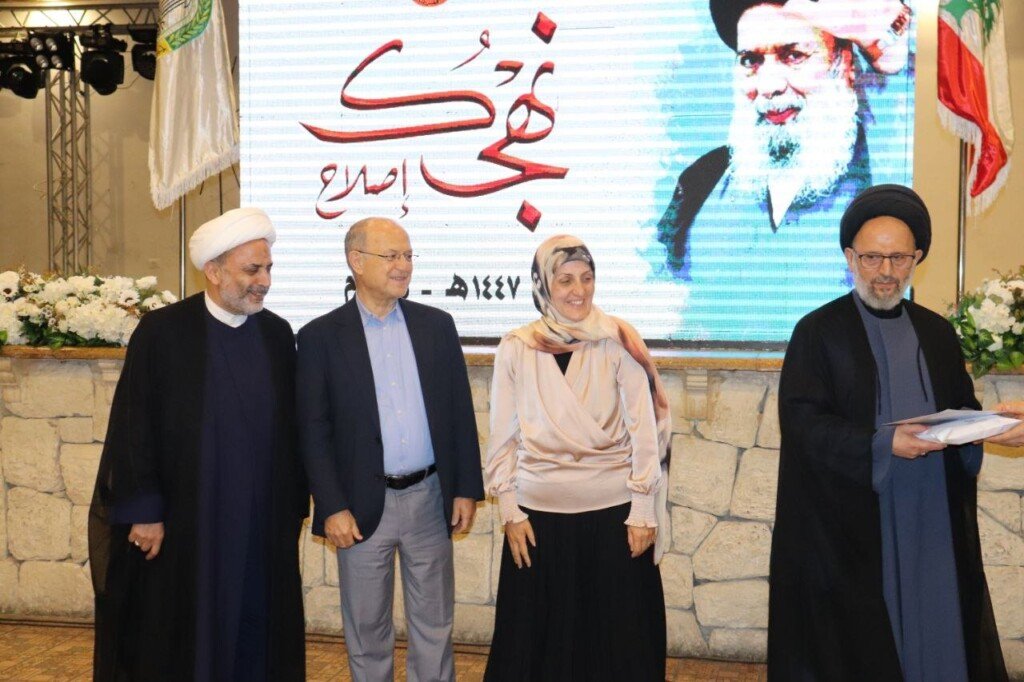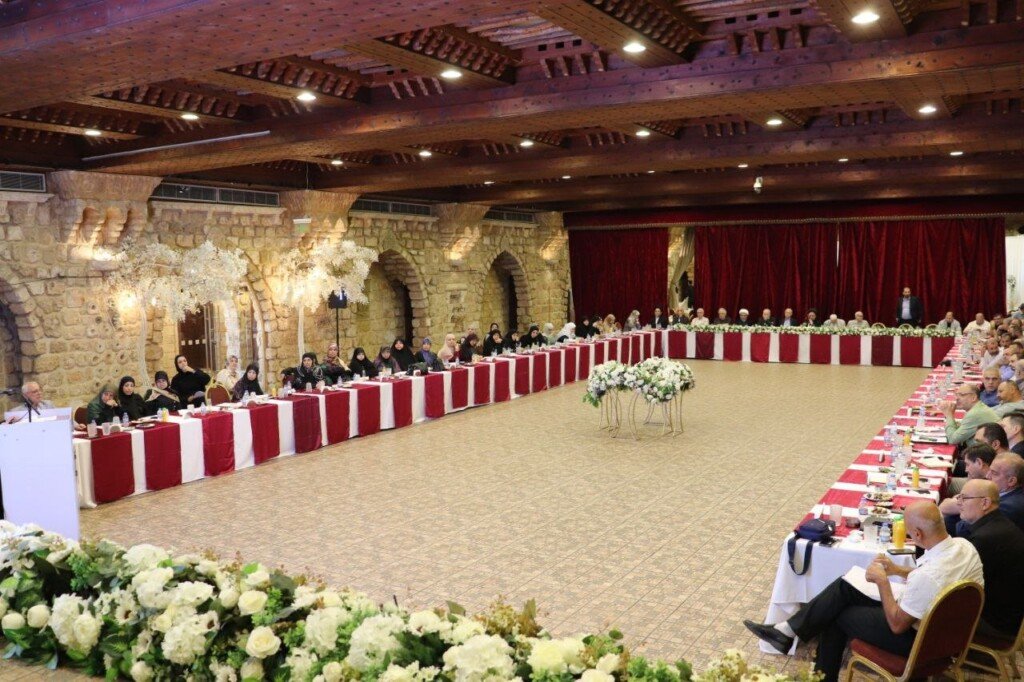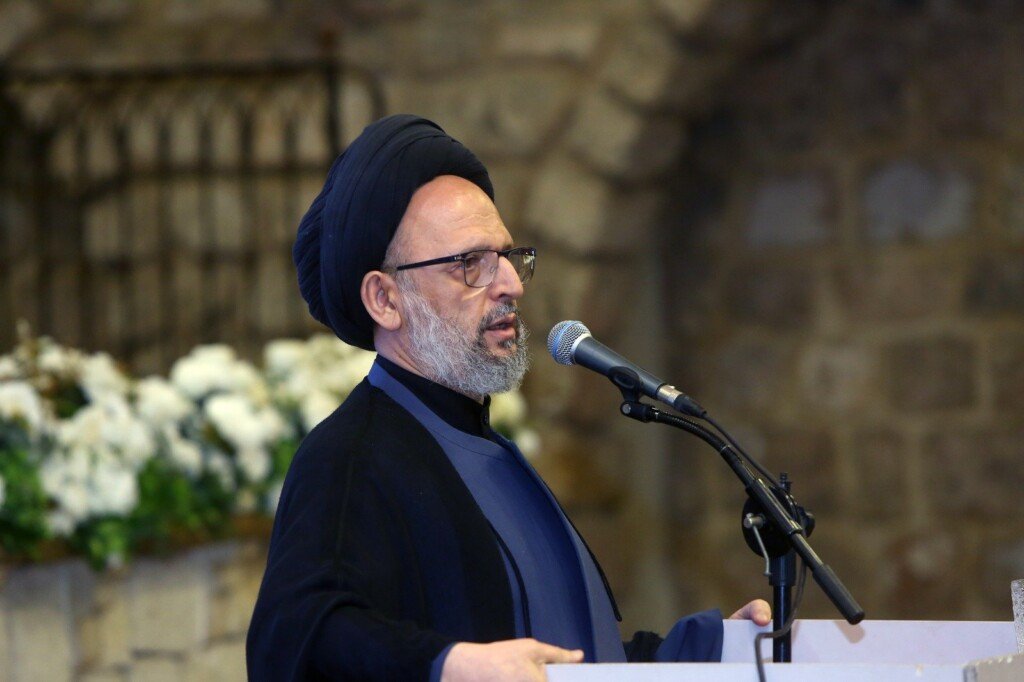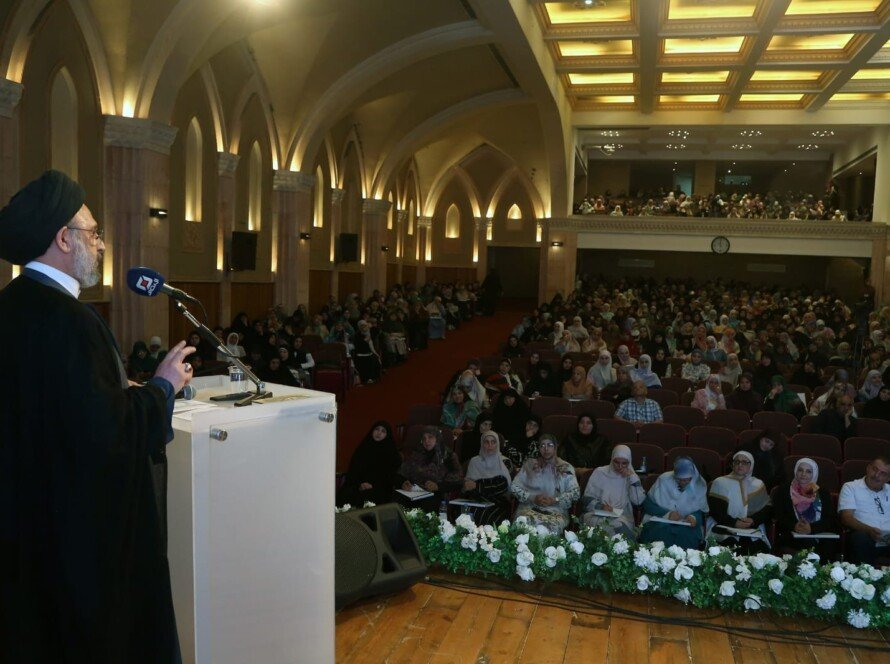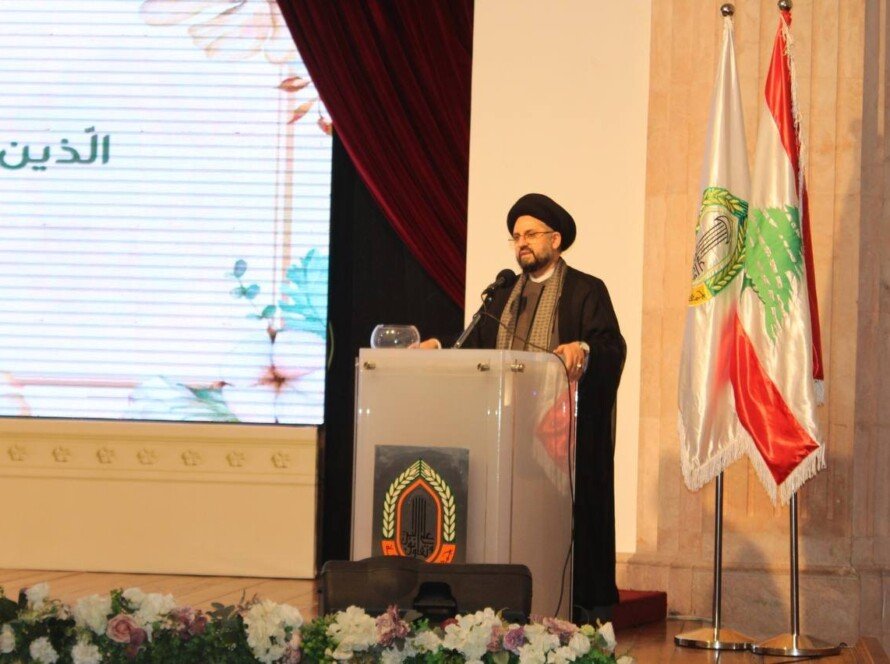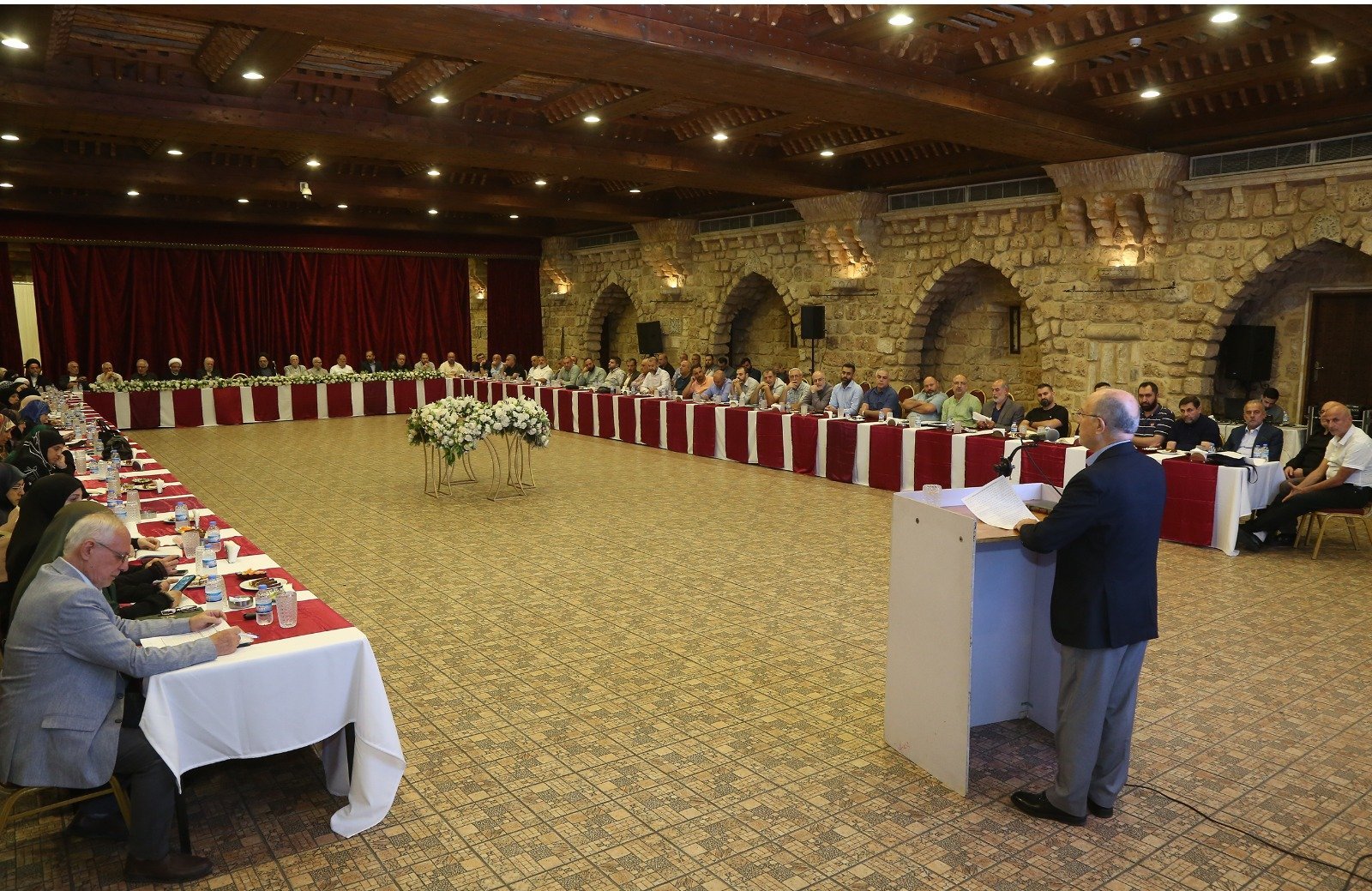
Sayyed Ali Fadlallah called for “a commitment to collective work at Al-Mabarrat Charitable Association”, stressing “the need for the combined efforts of everyone working in these varied institutions, through coming together, cooperating, advising one another and exchanging expertise. We are all in one ship, and if any institution is damaged the repercussions will be felt negatively by everyone”. This came in his speech at the expanded consultative meeting held by Al-Mabarrat Charitable Association at “Al-Saha, the Lebanese Heritage Village”, with the participation of representatives of the Association's various institutions and sectors.
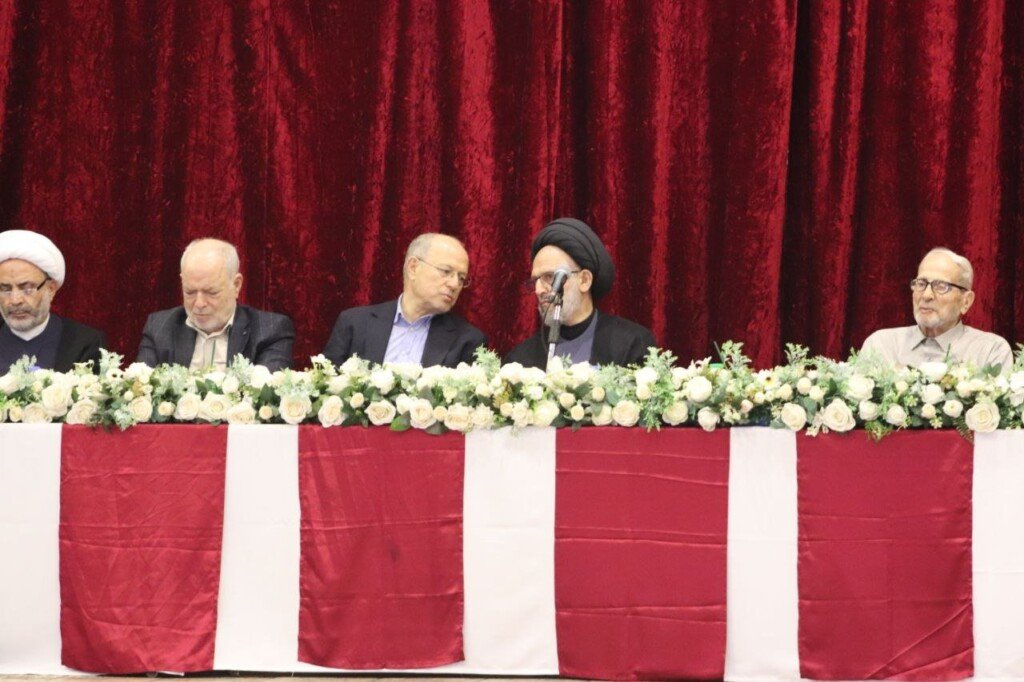
The meeting was attended by members of the Administrative Board of Al-Mabarrat Association, directors of departments and directorates of the General Administration, the administrative boards of the educational institutions, higher education institutions, institutions for people with special needs, care institutions, health institutions, cultural centers and productive institutions, along with members of Al-Mabarrat Alumni Association and Al Mabarrat Scout Association.
This meeting comes within the periodic gatherings Al-Mabarrat Charitable Association organizes each year, out of its concern to renew communication among the working teams, unify efforts to face challenges, and establish a culture of sustainable institutional work founded on partnership, transparency and development.
The meeting is a space for exchanging ideas and initiatives aimed at developing work across the Association's various fields. Working papers were reviewed that highlighted the existing challenges at institutional and community level and proposed practical visions and solutions to strengthen complementarity among the institutions and achieve the Association's educational, social and care goals.
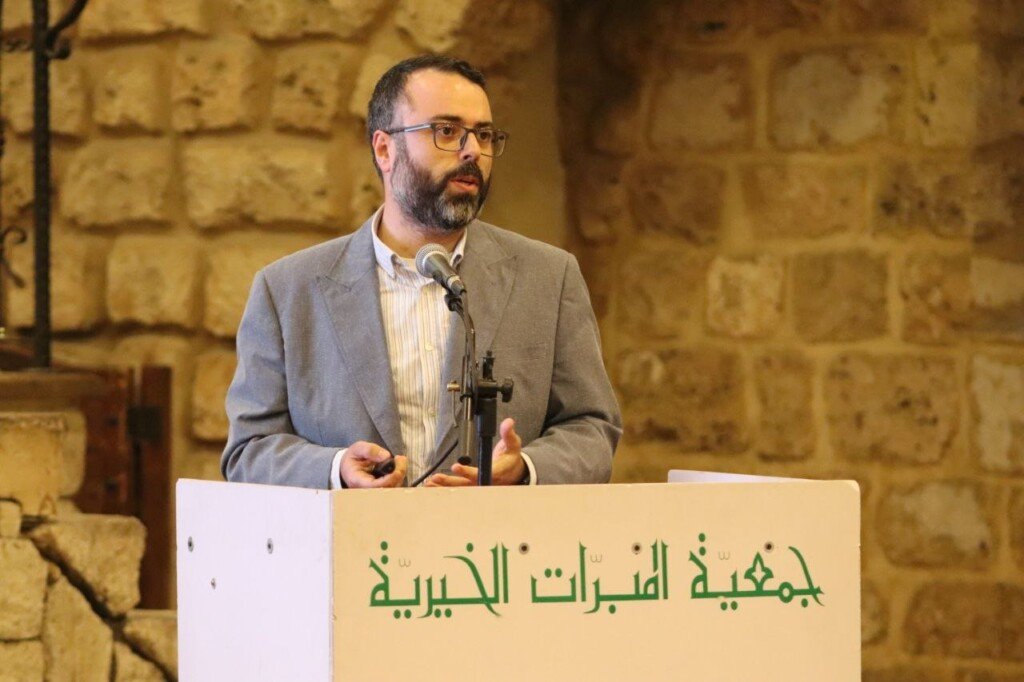
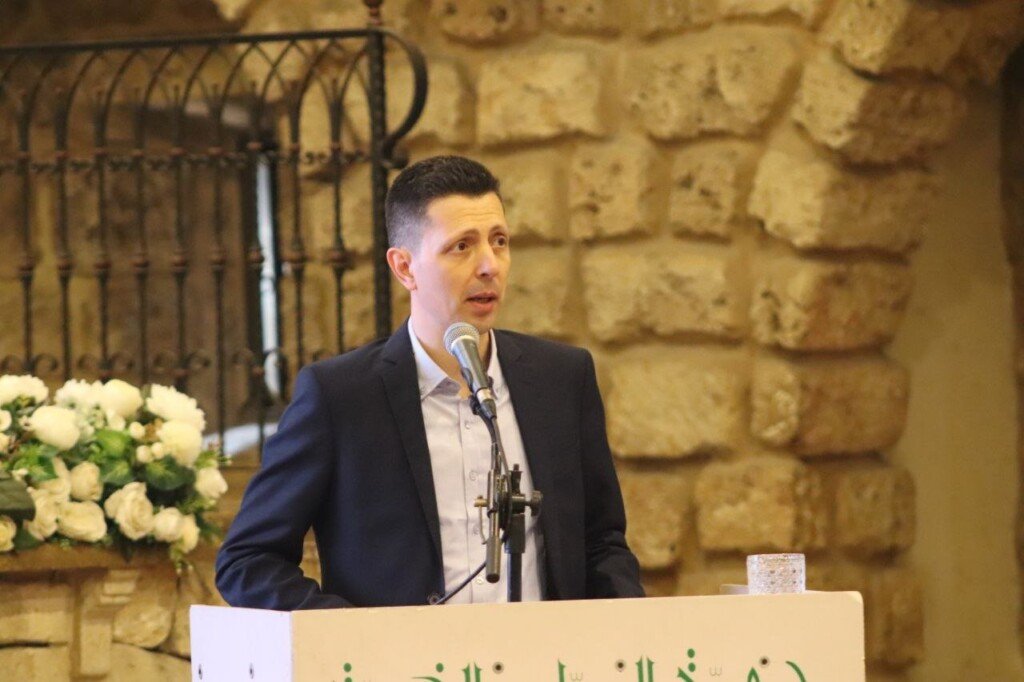
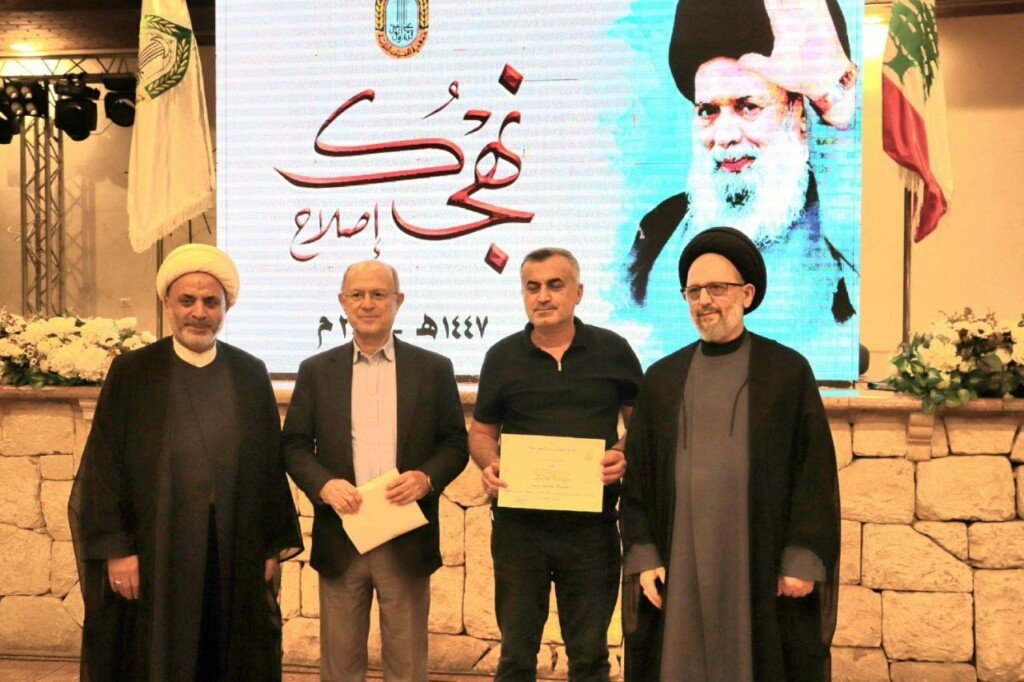
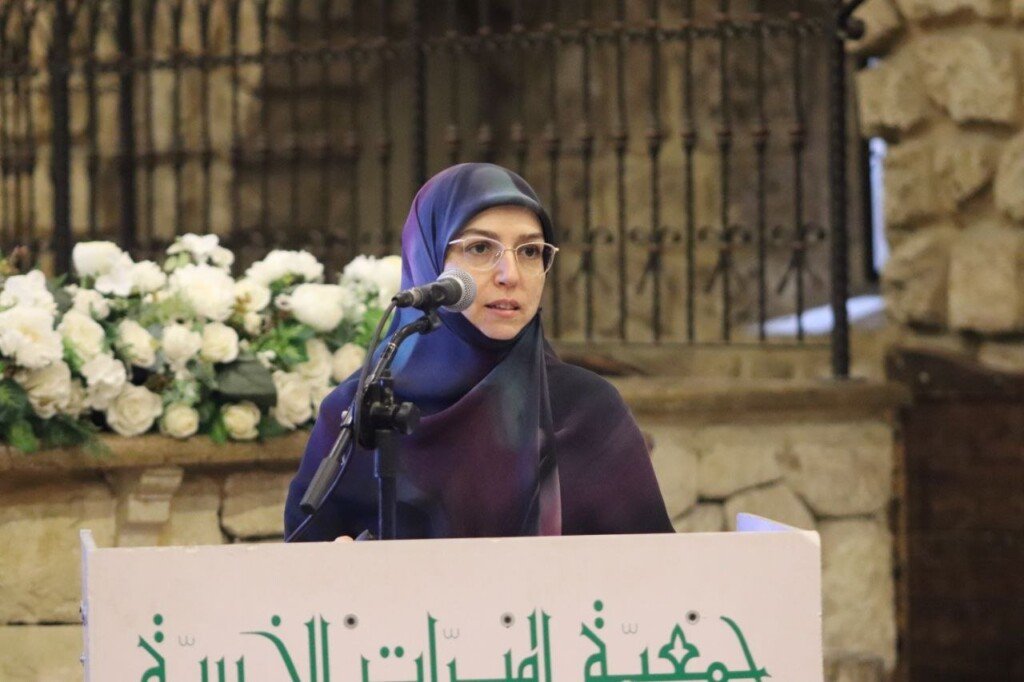
At the start, the meeting's coordinator Mr. Ibrahim Alaeddine delivered a speech in which he said: “We gather under the mantle of the late religious authority Sayyed Mohammad Hussein Fadlallah under the title (Your Path Is Reform), to renew our covenant with the founding religious authority, to look together at the coming five years with a unified vision, and to launch a strategic reflection exercise that leads to setting clear goals, strengthening the Association's presence, consolidating its mission, and meeting the growing challenges in a difficult social and economic environment”.
The Director General of Al-Mabarrat Charitable Association, Dr. Mohammad Baqer Fadlallah, then delivered a speech in which he noted “that (Your Path Is Reform) is a banner we raise and a thought we follow. It is a call for change from the depths: from the human being whose upbringing and education we take on, and from our professional environment that embraces them and helps shape their awareness and their path. Reform as the religious authority Fadlallah intended it is inseparable from our children and pupils, on whom we are betting for change, and from building a character that is faithful, confident and cohesive, resting on values steeped in ethics and imbued with mercy, awareness and the ability to discern. It is a reform that begins in upbringing, matures in education, and is made manifest in conduct”.
He affirmed “that reform begins with the courage to admit error, with transparency toward oneself, with accepting criticism, with openness to change. This is what we have learned in the Al-Mabarrat experience”, saying: “We achieved a great deal when we believed in the principle of reform: from the administrative development project, to the quality system, to the teaching approaches and support programmes, to the distinctive initiatives that made a difference in our educational, care, productive, health and mission-driven environment”.
He added: “After everything we have faced in the way of crises, and the technological, intellectual and social changes we are witnessing, we are called to a serious self-criticism, in which we review our working mechanisms and methods across our educational, care, productive, health and mission-driven institutions, so as to rekindle the passion of the beginnings, activate our flexibility in adapting, balance ambition against means, and set out on a new path of reform that opens horizons for creative work expressing our distinctiveness and our identity”.
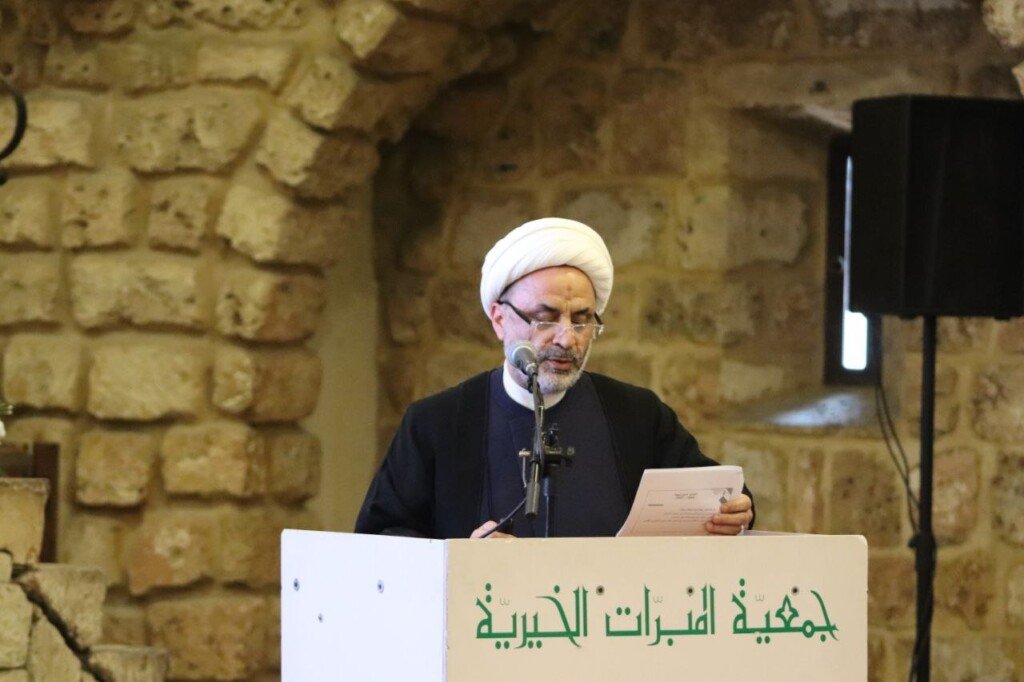
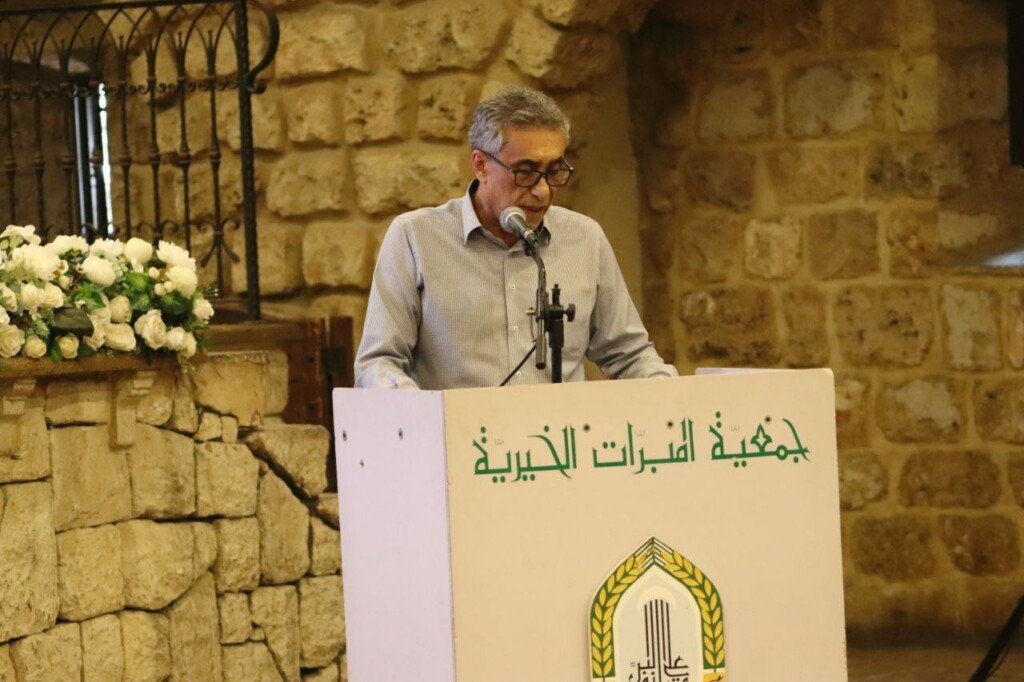
After interventions by representatives of Al-Mabarrat's institutions, the Association's president, the scholar Sayyed Ali Fadlallah, delivered a speech in which he stressed “the importance of the meeting, since it brings together all the Association's staff, whose mission-driven role we take pride in, and what they have given and will give despite all the difficult circumstances we face and the challenges on every level: security, economic, political and social”.
He added: “We must hold fast to collective work, and this is what distinguishes Al-Mabarrat Charitable Association, whose seeds were planted and whose foundations were laid by the religious authority Sayyed Fadlallah”, stressing “the need for the combined efforts of everyone working in these varied institutions, through coming together, cooperating, advising one another and exchanging expertise. We are all in one ship, and if any institution is damaged the repercussions will be felt negatively by everyone”.
He stressed “the importance of constructive criticism, which aims at addressing mistakes and avoiding their repetition, not at scoring points, tearing down what has been built, or harming the institution and those who run it”, noting that “the religious authority Fadlallah's project was a project of comprehensive reform in this country at every level, a reform that contributes to advancement and makes the country better, in terms of building the state of the human being, where law and justice prevail”.
He pointed out that “Islamic unity was the religious authority Fadlallah's constant preoccupation, and so he expended great effort to strengthen it and root it in our society, by focusing on what we hold in common. He also worked to affirm national unity among the country's components and its various sects, holding that everyone has rights and duties in a homeland governed by the principle of competence and transparency”.
He called for “strengthening a culture of criticism and of accepting it, so that society may be set right and institutions may play their part, away from favoritism and the like”, stressing the need to address every point of weakness and strengthen the points of strength, and expressing the hope “that we may move into a new stage, the stage of building the strong and just state, for experience has proved that this homeland can only stand with all its sects and denominations”, and stressing the need to let the logic of consensus prevail over the logic of exclusion, marginalization and dependence on the outside”.
He concluded by saying: “It is time for the people of this homeland to find relief from the difficulties they face, and that can only happen through the unity of its sons, their solidarity, the joining of their efforts, and their standing together in the face of all these pressures and challenges”.