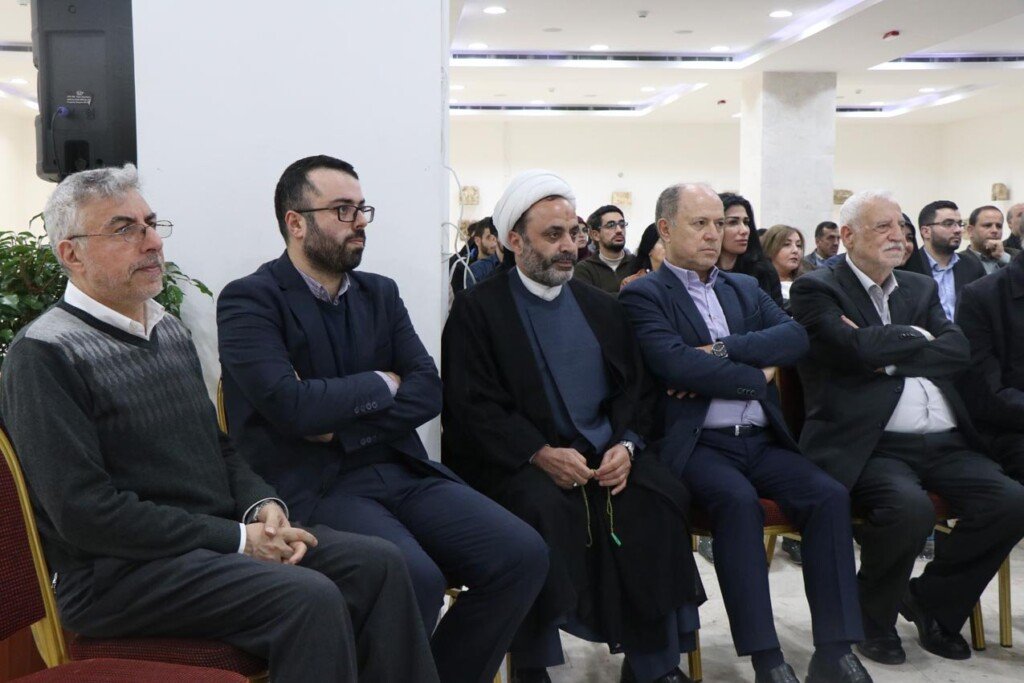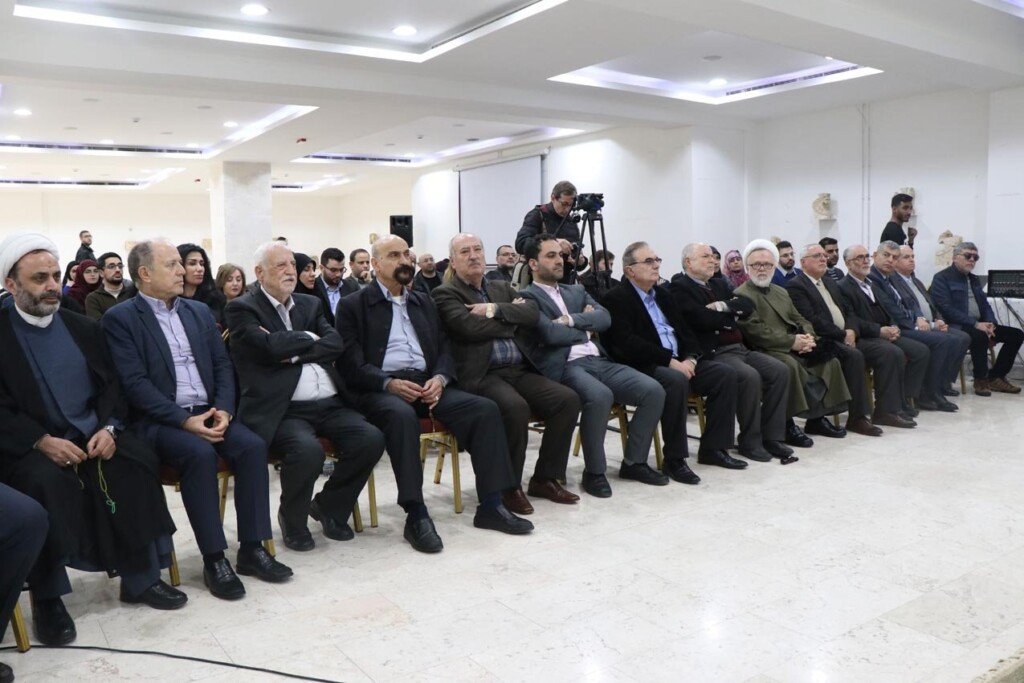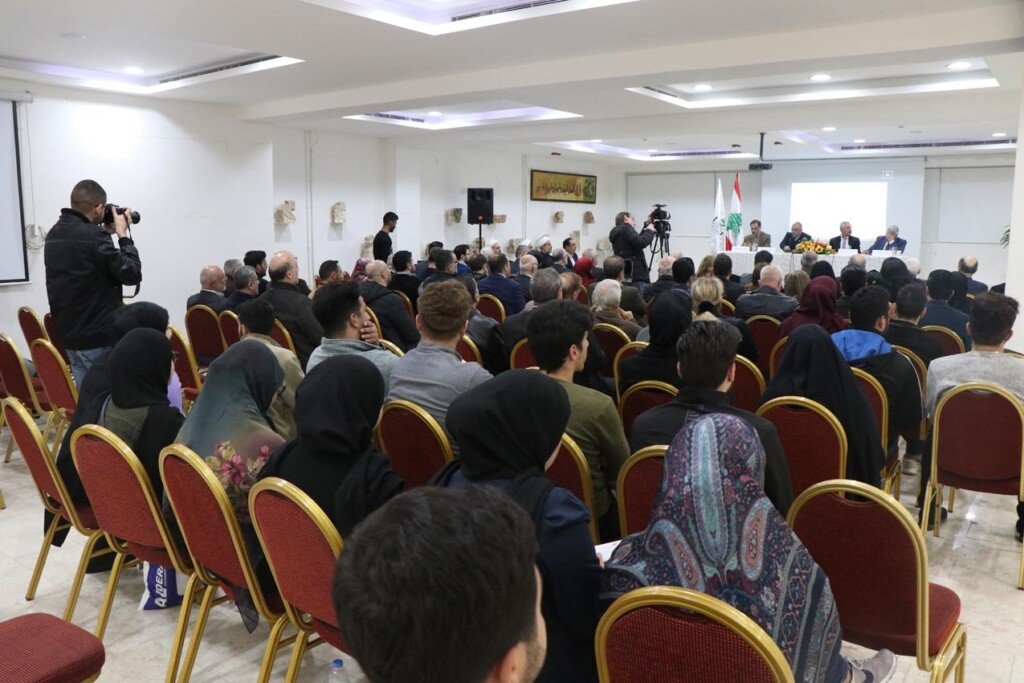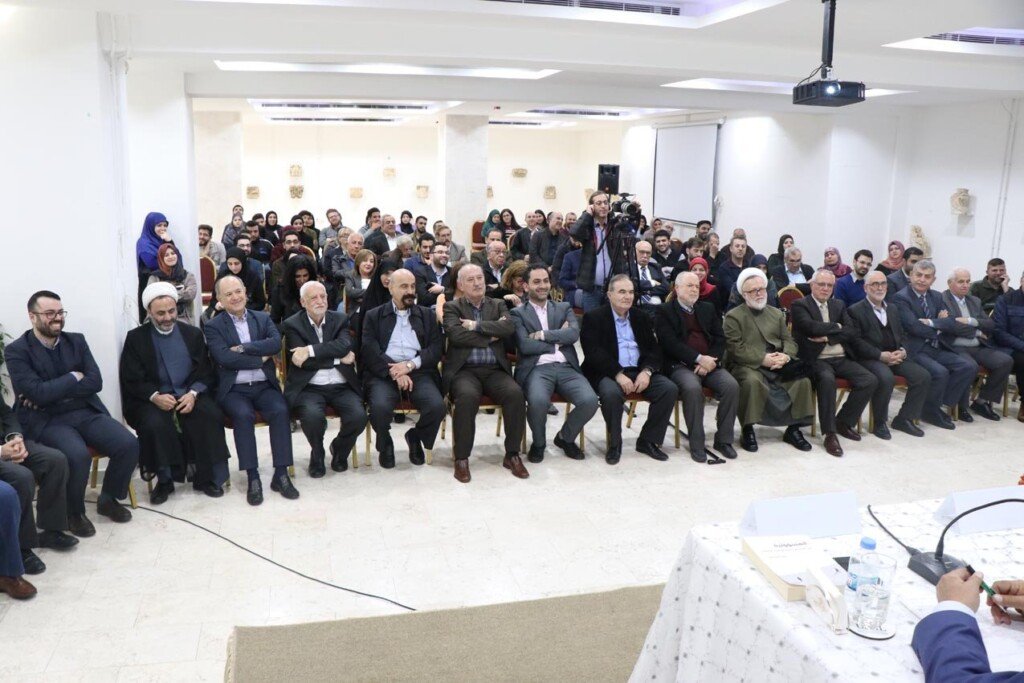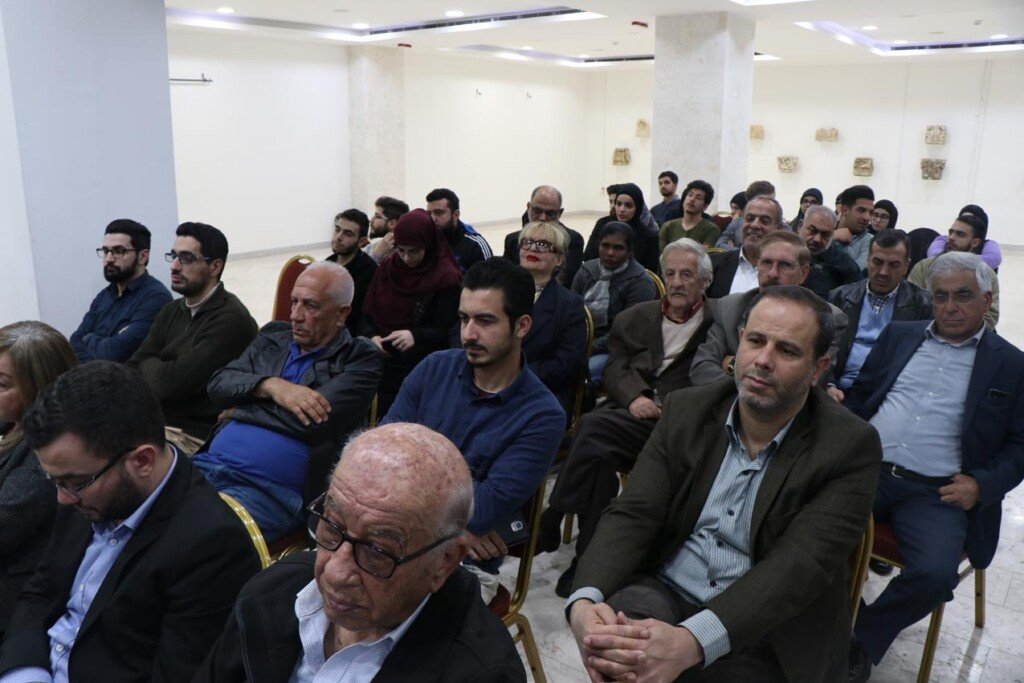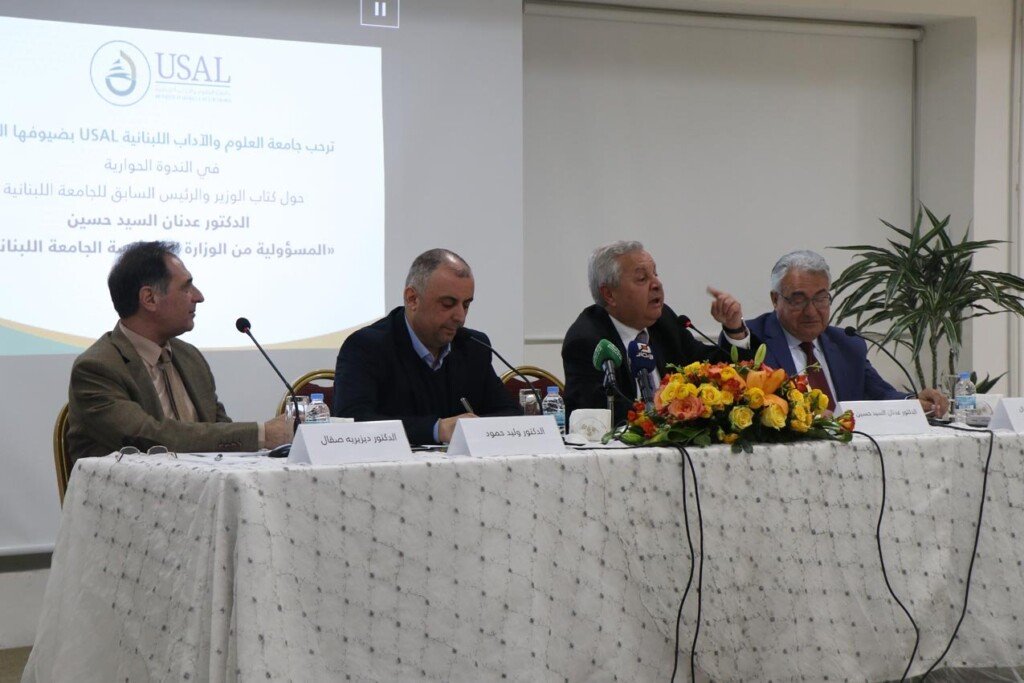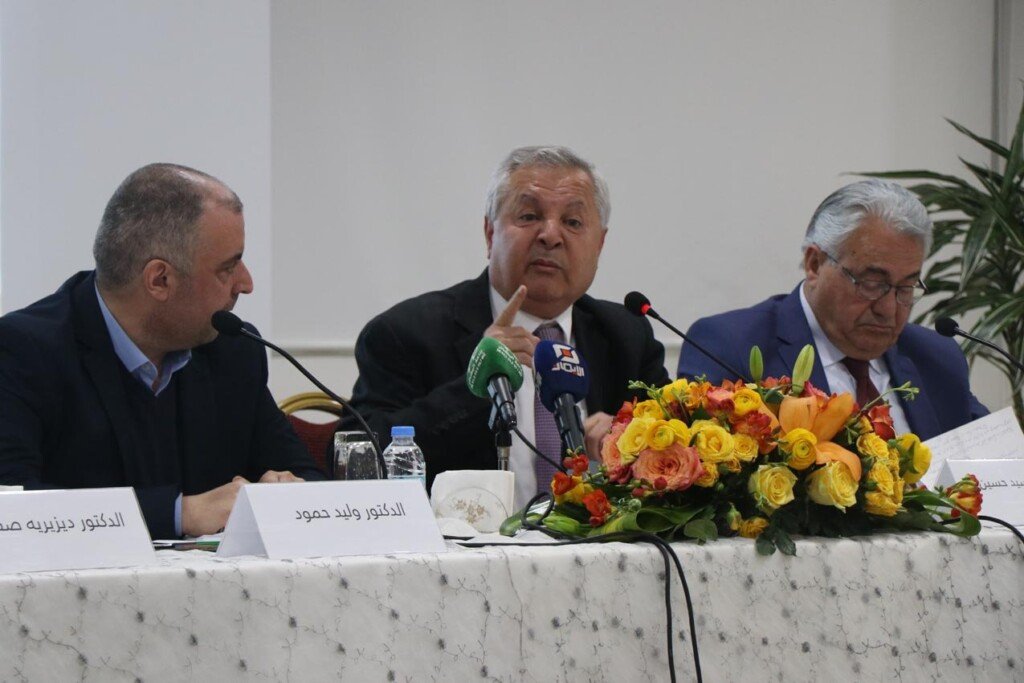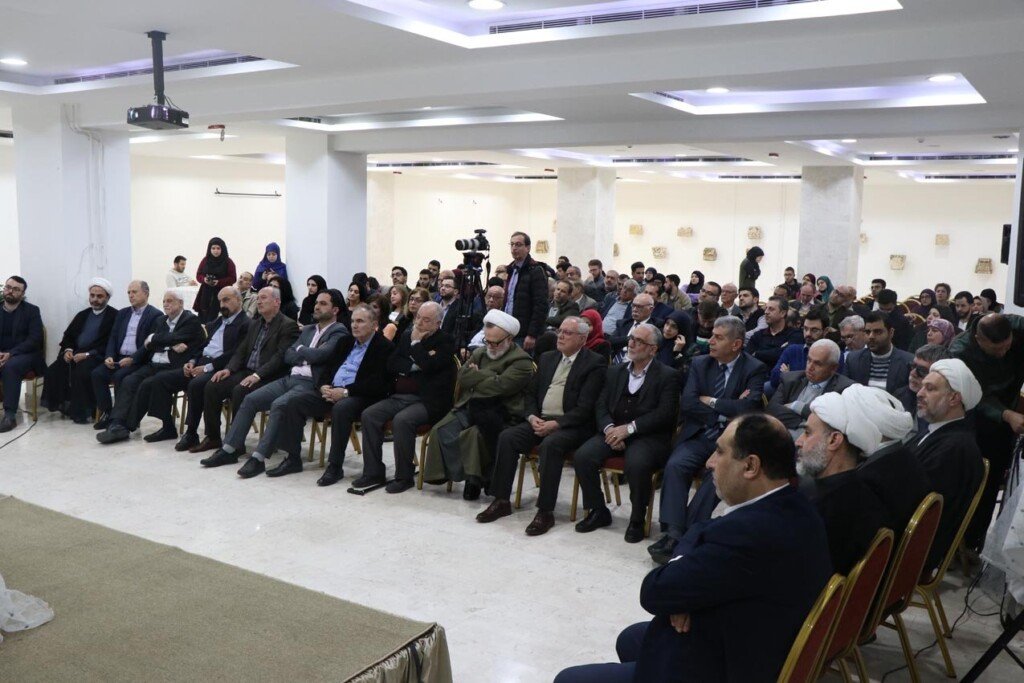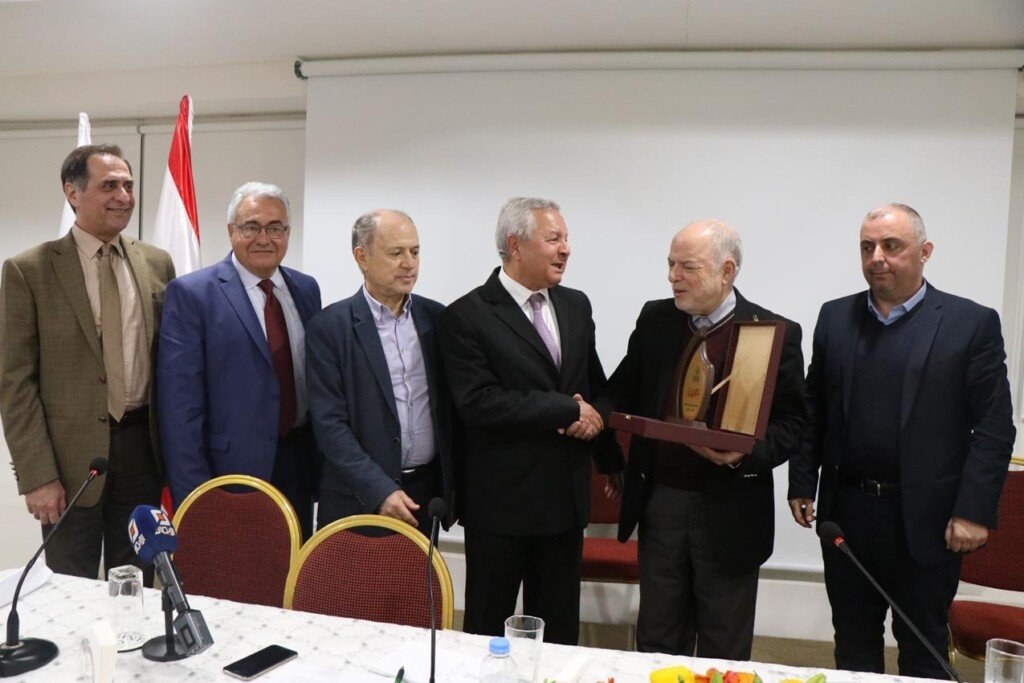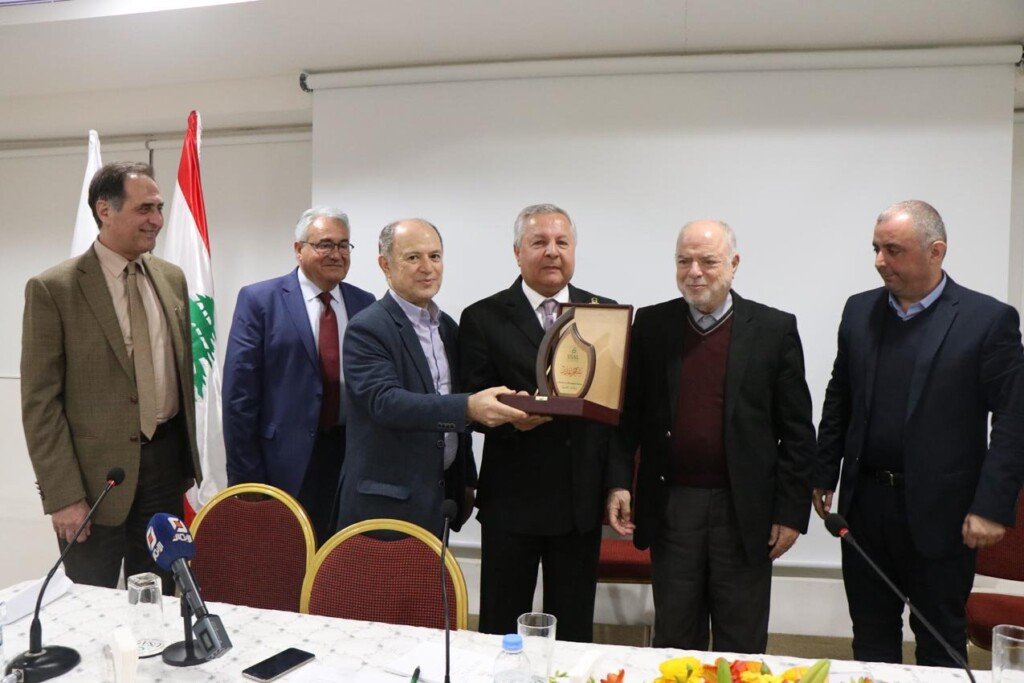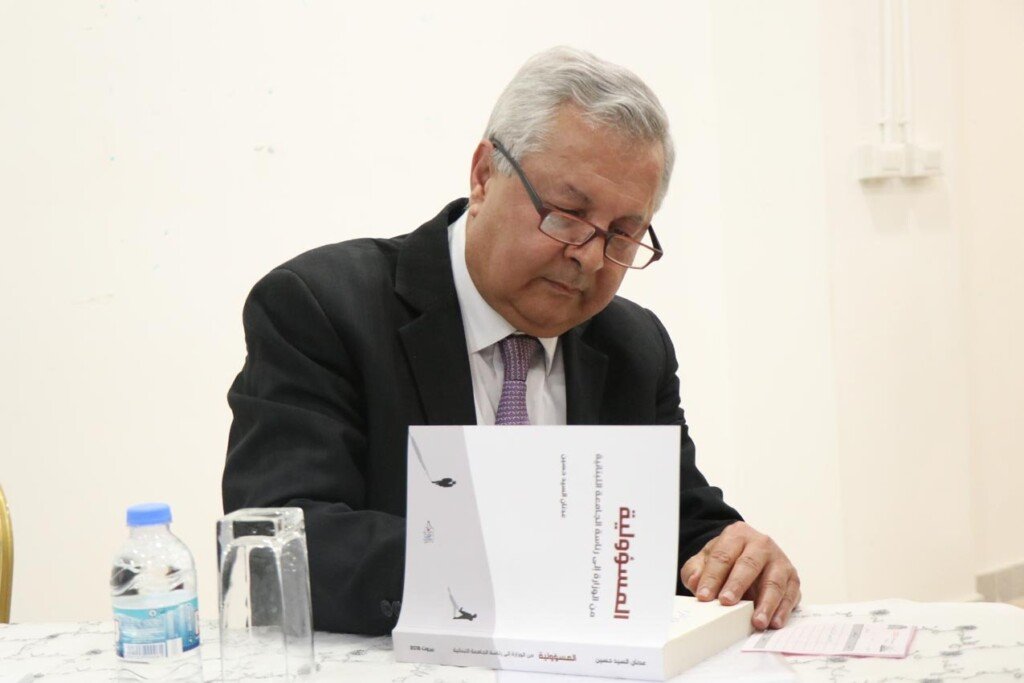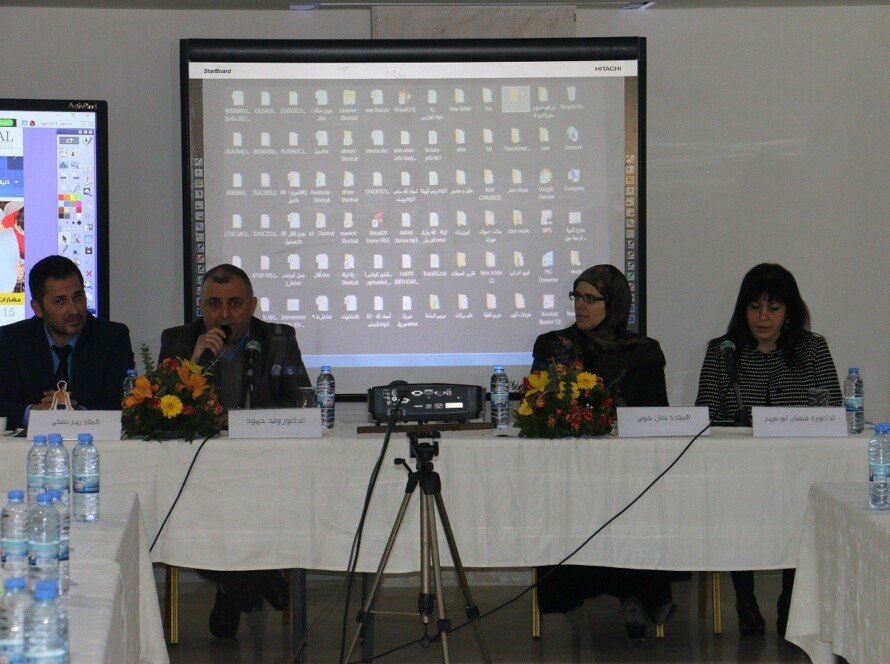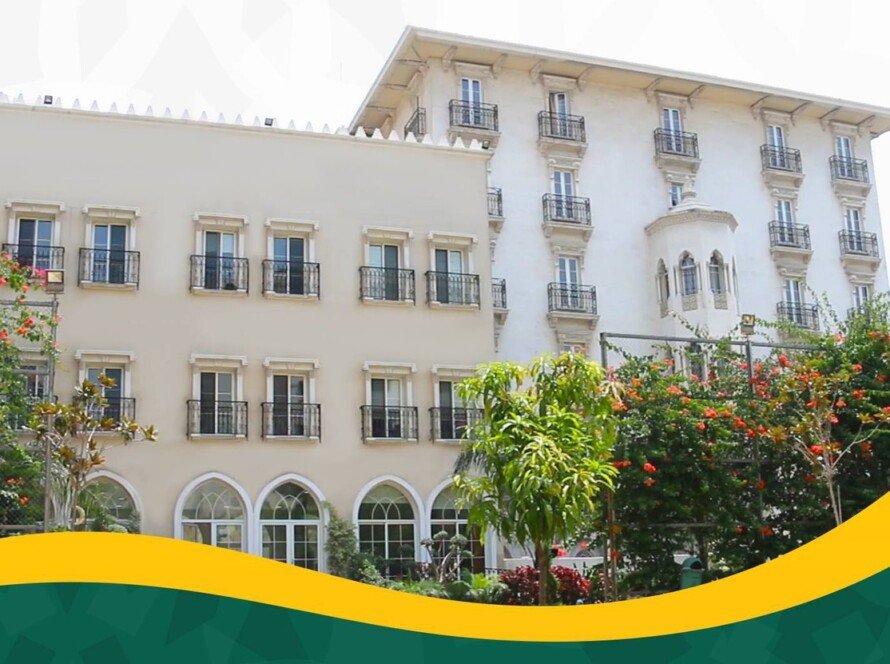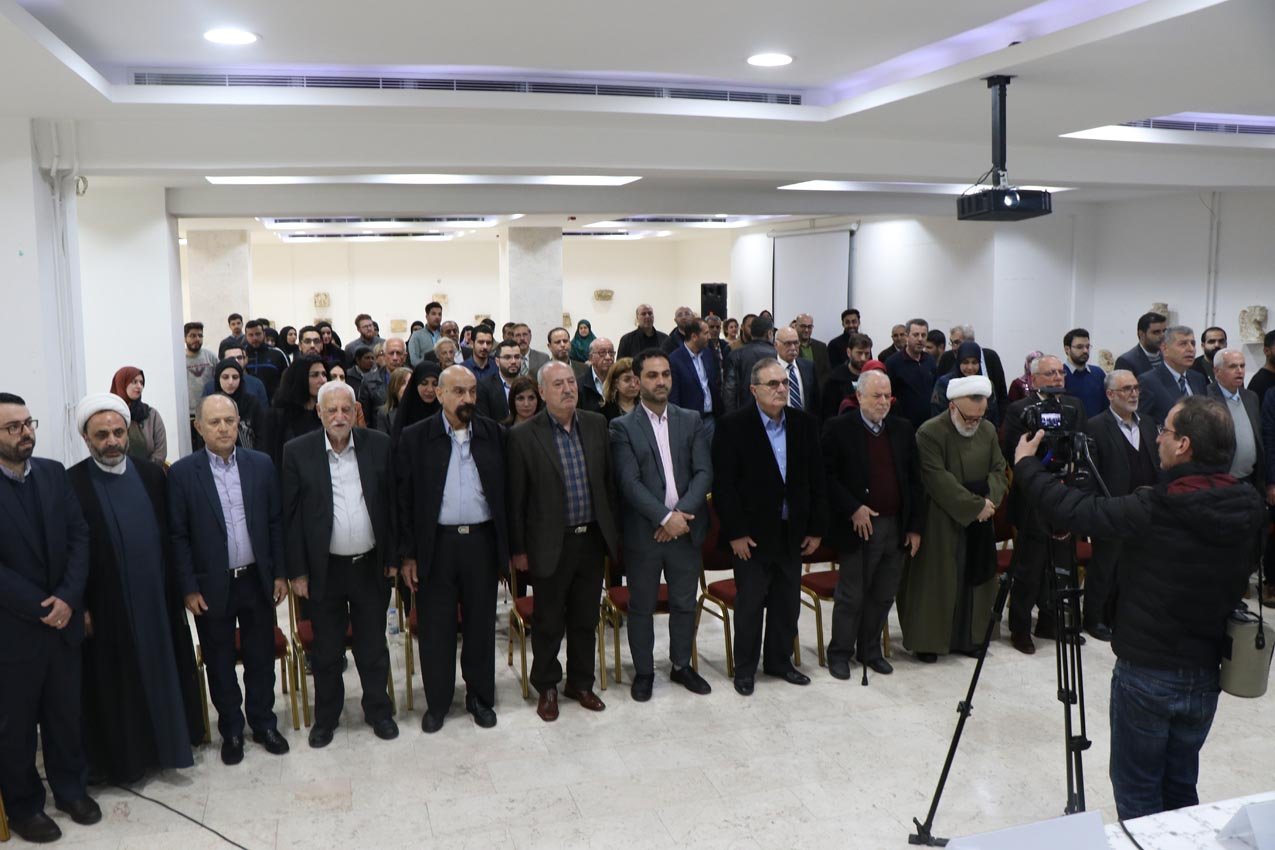
The University of Sciences and Arts in Lebanon (USAL) held a panel on the book by the former minister Dr. Adnan Al-Sayed Hussein, “Responsibility: From the Ministry to the Presidency of the Lebanese University”, in the university's ceremonies hall, in the presence of a gathering of specialists, the university's people and its students.
After the national anthem, the dean of the Faculty of Education at USAL Dr. Walid Hammoud gave an intervention on the book and its author, affirming “that organizing this panel falls within the context of the university's policy, its vision and its mission in exercising its social responsibility and strengthening its cultural and social role and presence, with the aim of creating an environment that embraces dialogue, interaction and criticism on questions of thought and culture”.
Al-Sayed Hussein
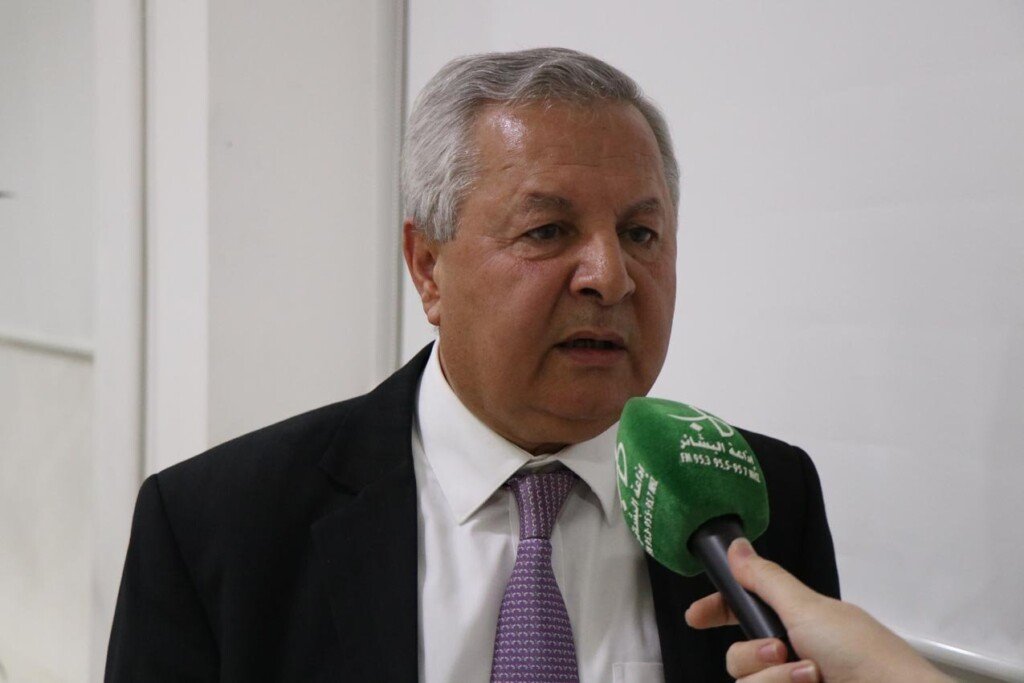
After that came a speech by Dr. Al-Sayed Hussein in which he stressed that “the book does not fall within the genre of memoirs; rather it is a chronicle of a political and academic stage from 2009 until 2016”.
On the question of his appointment as minister he said: “I never thought of the ministry; rather I came as a minister in order to be a link between the political forces divided between 8 and 14 March. For this reason I accepted the ministry, so as to exercise a national role that unites and prevents strife.”
On the circumstances of his resignation he said: “My resignation did not come from a personal motive, for my relationship with the president was good and marked by respect. Rather I saw that my ambitions at the national level had not been realized, since the government became divided and it was not possible
to spare it division and failure, and consequently there no longer remained for me the role on the basis of which I had been appointed a minister.”
Al-Sayed Hussein pointed to “the importance of the Lebanese University at the local and international level”, affirming “that the secret of the university's strength
lies in the multiplicity of academic curricula within it as a result of the diversity of its teaching cadre”.
He pointed out that “at one of the cabinet sessions concerning the appointment of deans for the university in 2011, I demanded that the university be closed, because the political authority deals with the university with a policy of disregard, marginalization and reduction of its budget, after it had been run without councils since 2004”.
At the close of his speech the former minister stressed the importance of the university's independence and of keeping it free of quota-sharing and political interference.
Al-Shahhal
Then came an intervention by the former dean of the Doctoral Institute for Human Sciences at the Lebanese University Dr. Mohammad Badawi Al-Shahhal, in which he held that “the book constitutes a successful experience in official work, placed before those concerned in order to build a modern civil state - not a state that disowns religion, but the state of citizenship and of citizens equal alike”.
Al-Shahhal added: “The Lebanese University's independence is essential, as is organizing a national campaign to defend its interest, because the Lebanese University is concerned with strengthening human values in citizens' souls, as the first article of the law organizing it issued in 1966 stated, when this university acquired the character of the Lebanese national university.”
Saqqal
After that the member of the scientific council at the Doctoral Institute Dr. Désirée Saqqal delivered a speech in which he held: “This book is a testimony of a life of a distinguished man who knew how to bear responsibility - and perhaps this question is the most prominent question of his book; otherwise why would the word responsibility be a title here.”
He added: “We understand clearly from this book that this man entered the government for an essential national purpose, namely the necessity of activating the laws and limiting the effects of sectarianism, factionalism and religious and denominational fanaticism. On this basis his political work was entirely in keeping with his general national and pan-Arab aspirations: he did not work for a party or for a particular political faction, but worked for the presidency of the republic, which in the end represents all the factions and the political and religious orientations.”
He concluded: “The Lebanese University knew in the days of Dr. Adnan Al-Sayed Hussein's presidency a flourishing it had never known since its founding, and may not know again - because the politicians in Lebanon, it seems, do not favour the idea of studying the university's affairs and spending on it. The national work this man carried out, to which his book bears witness, is striking and honourable.”
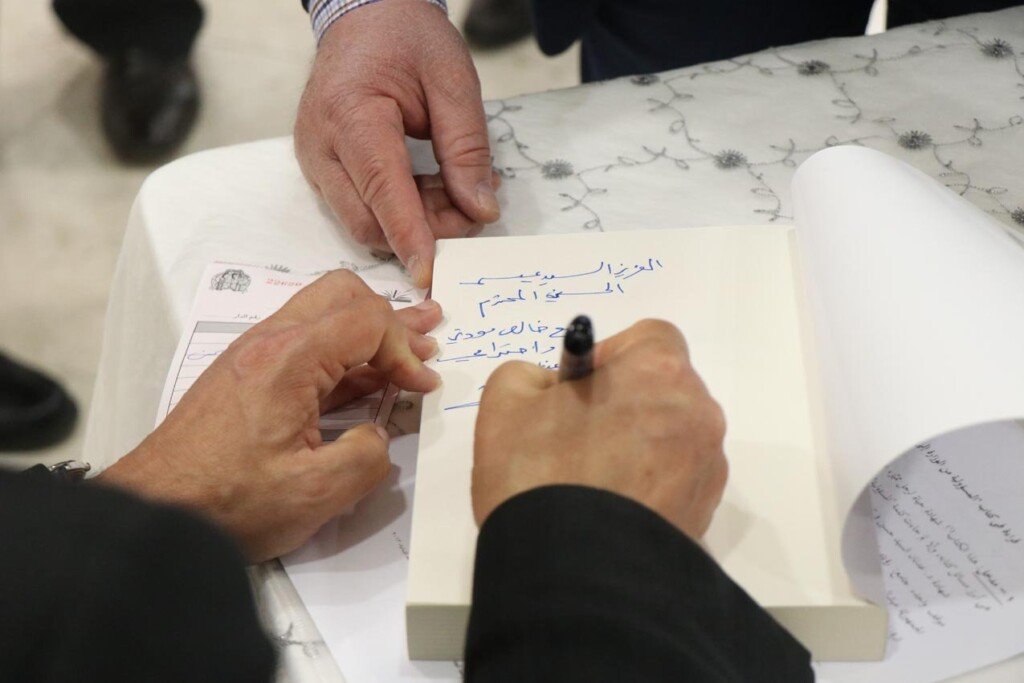
In closing there were interventions and questions from those present, which the former president of the Lebanese University answered, then the presentation to him of the university's shield, and the panel closed with a book-signing ceremony.